

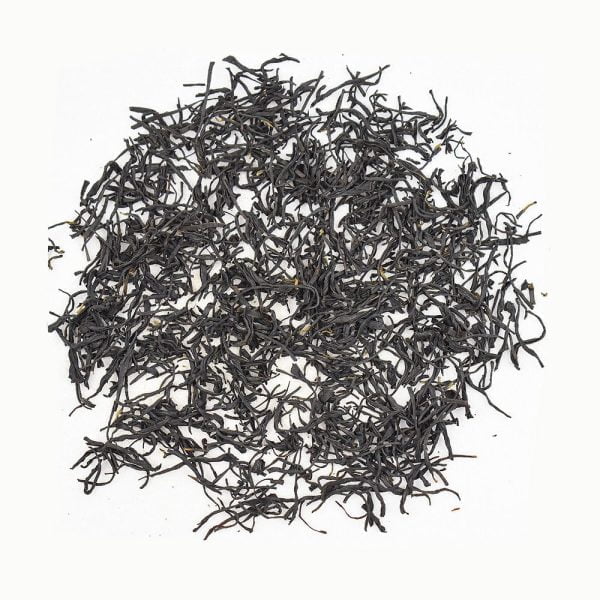
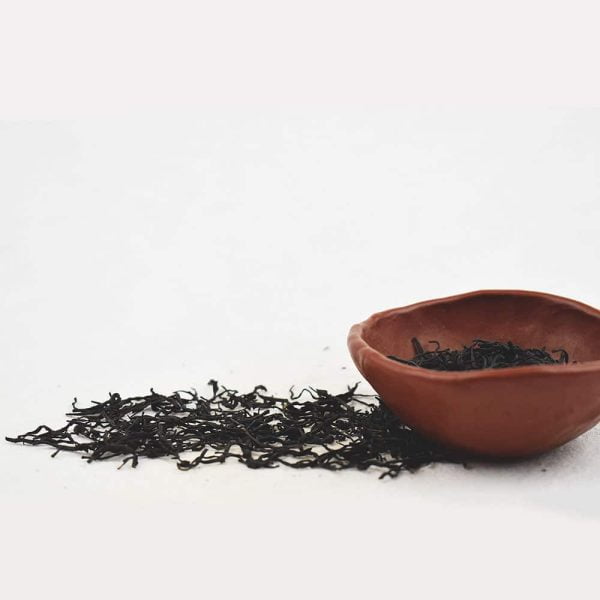
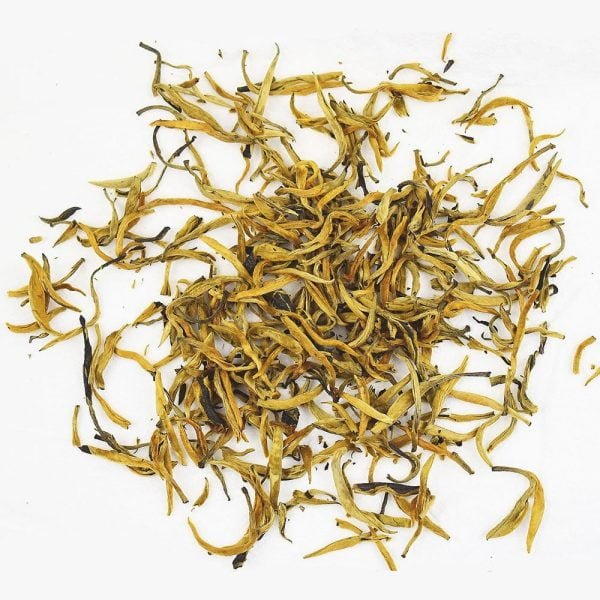
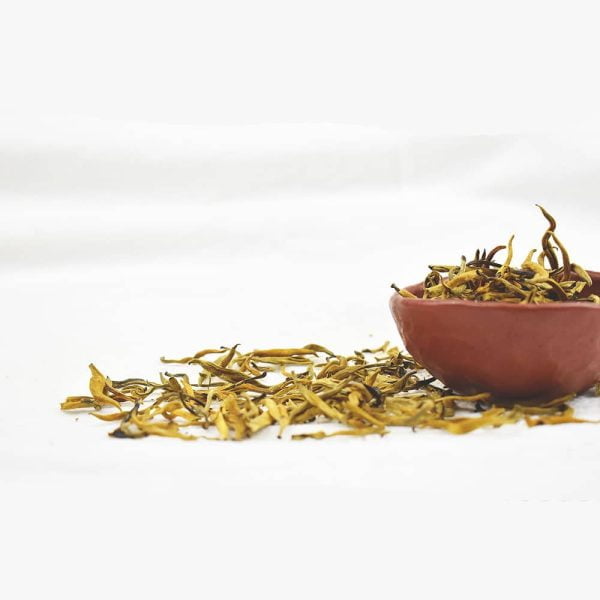
Tea naturally contains caffeine, but some teas have significantly higher levels due to their leaf type, growing environment and processing style. High caffeine teas offer an energising boost and are often chosen by tea drinkers who prefer a strong, uplifting cup to start their day or maintain focus. This collection highlights teas known for naturally higher caffeine content, particularly those made from robust buds, large-leaf varieties or certain black tea traditions.








What High Caffeine Tea Means
‘High caffeine’ refers to teas made from leaves or buds that naturally contain greater concentrations of caffeine. Factors such as growing altitude, leaf maturity and style of processing play important roles. Younger buds and large-leaf cultivars commonly used in Yunnan, Fujian and Anhui tend to retain more caffeine during harvesting and finishing.
These teas offer a more stimulating effect compared to green, white or aged teas, making them suitable for those who enjoy a strong, awakening brew.How Caffeine Varies in Different Teas
Caffeine levels are influenced by several natural and processing-related elements.
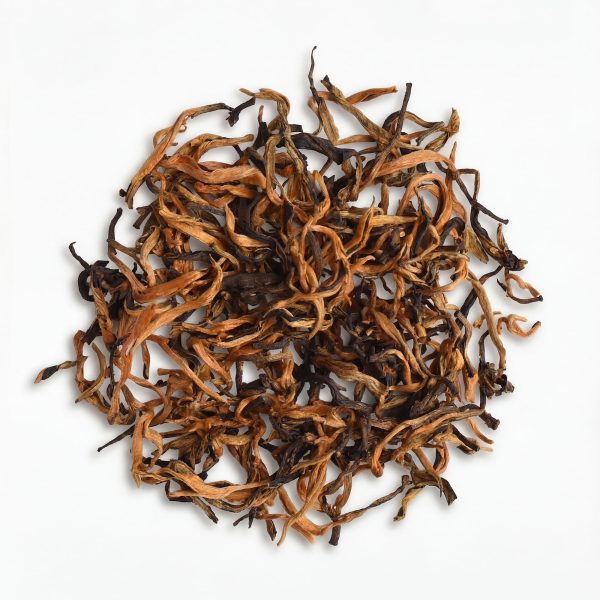
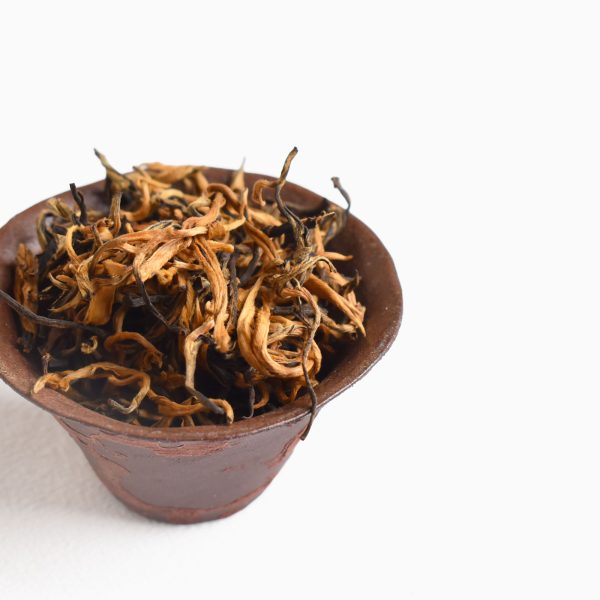
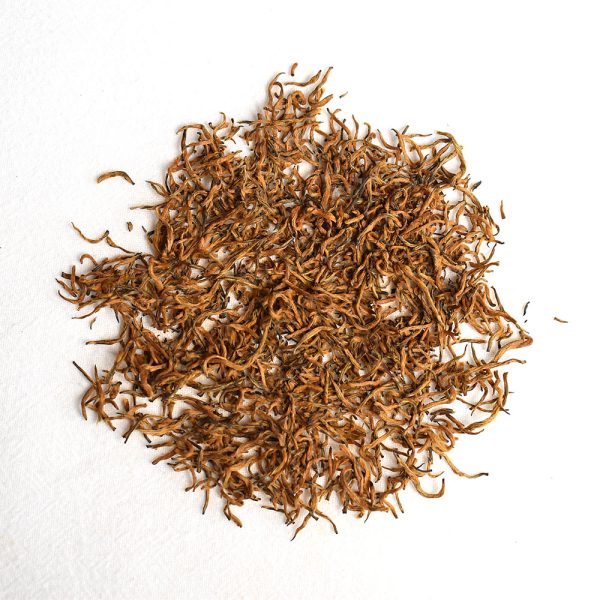
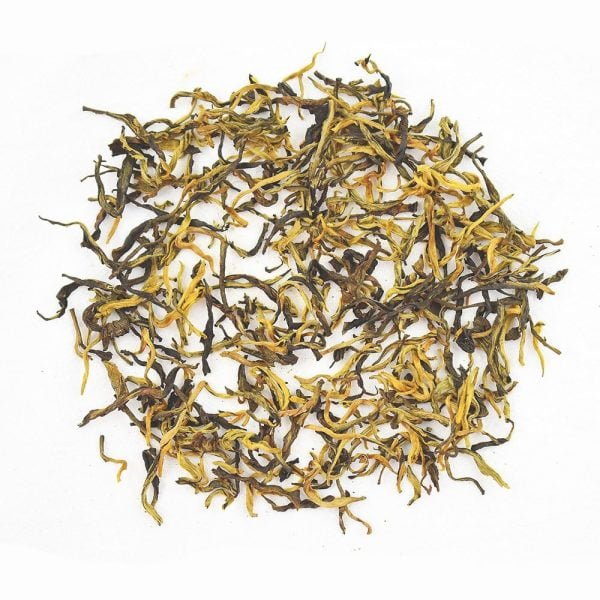
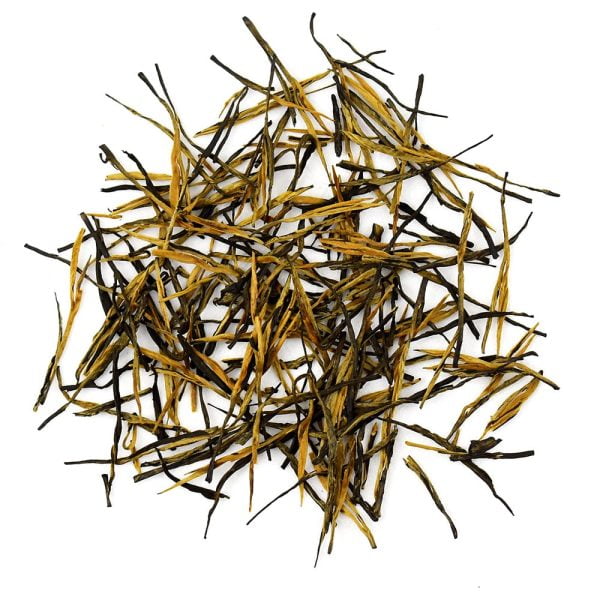
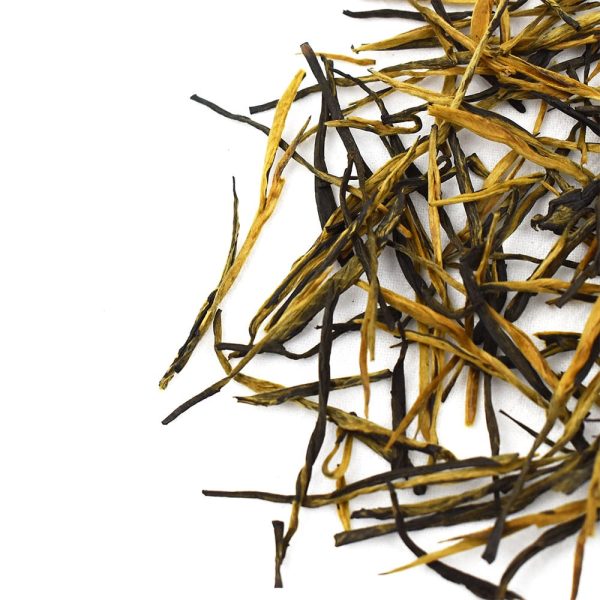
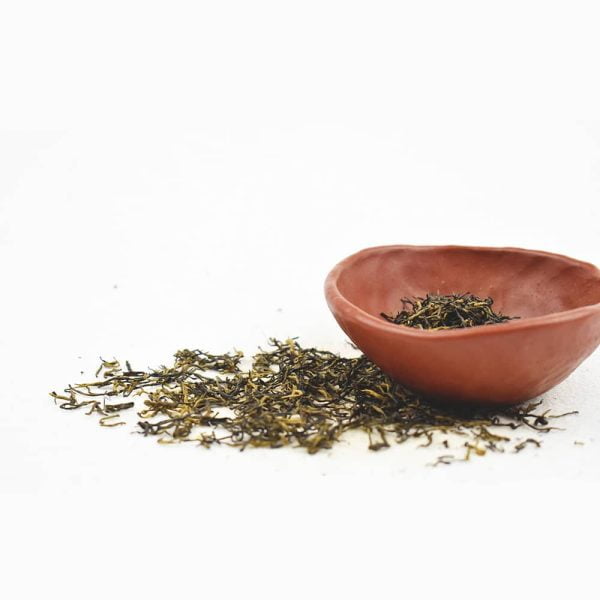
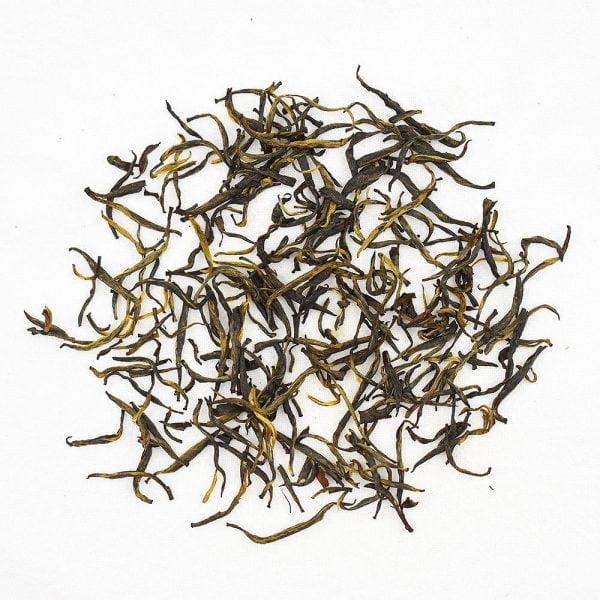
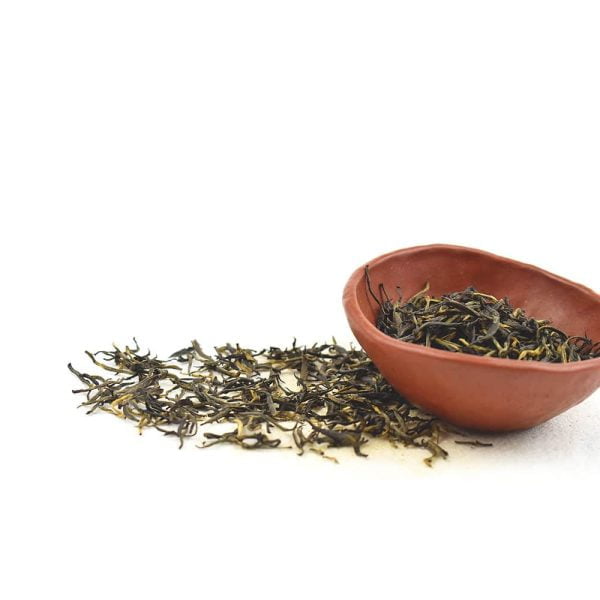
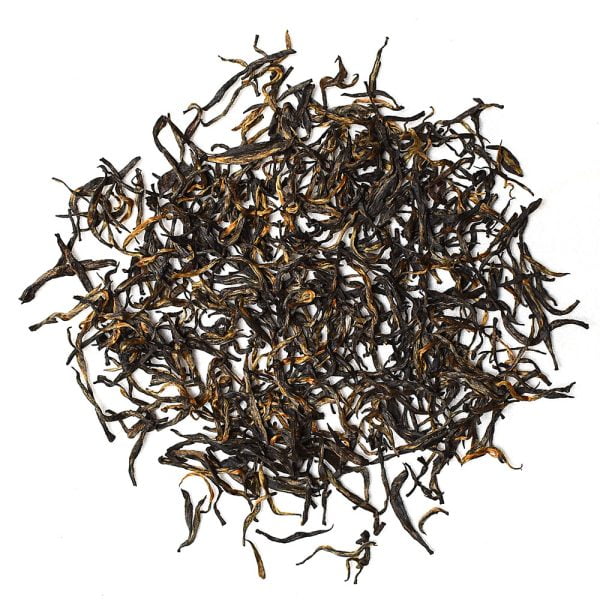
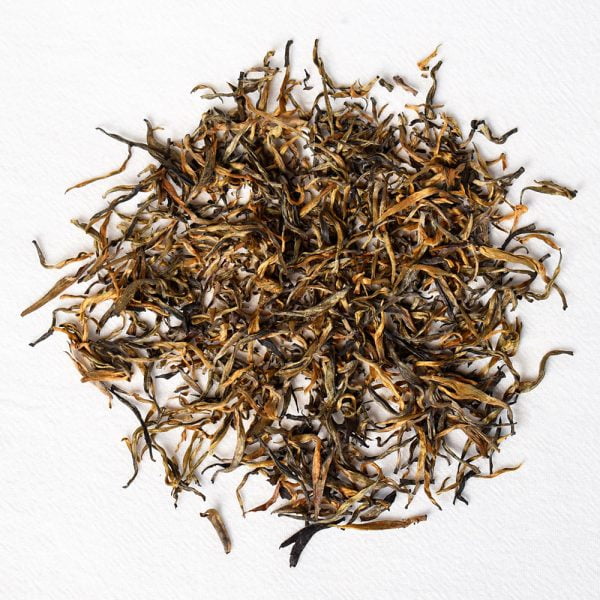
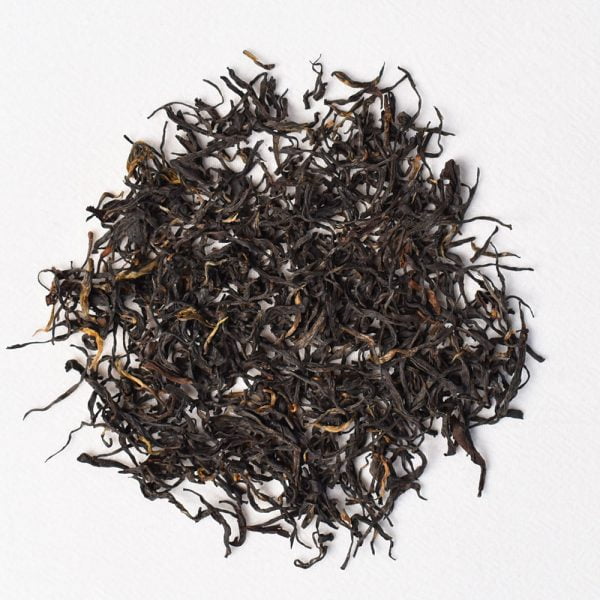
- Leaf grade: Bud-heavy teas, including golden bud and golden tip varieties, contain more caffeine.
- Plant varietal: Large-leaf Yunnan trees are naturally high in alkaloids, contributing to stronger caffeine presence.
- Processing: Fully oxidised black teas often maintain higher caffeine levels, while heavier roasting or aging may slightly reduce intensity.
Though all tea contains caffeine, high caffeine teas consistently offer stronger stimulation due to these combined factors.Who High Caffeine Tea Is Suitable For
High caffeine teas are ideal for tea drinkers who:
- Prefer a morning boost or midday lift
- Enjoy the strong, alerting feeling associated with traditional black teas
- Want an alternative to coffee without sacrificing energy
- Appreciate full-bodied, energising teas made from larger-leaf varietals
They are also popular among those who enjoy Chinese black tea traditions from Yunnan, Fujian and Anhui.Tea Styles Commonly Found in This Category
Your collection includes many classic high caffeine tea styles, particularly from regions known for producing potent leaves.
Common styles in this category include:
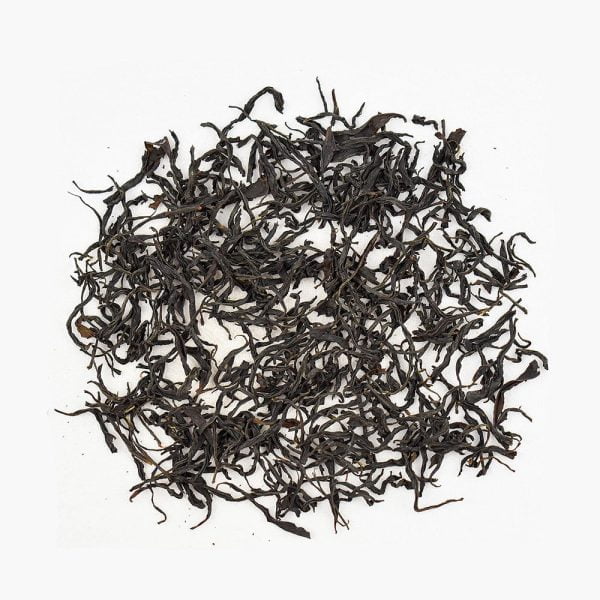
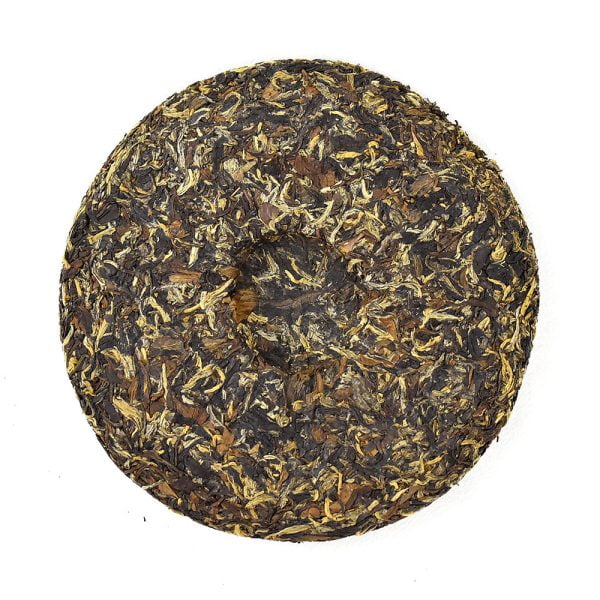
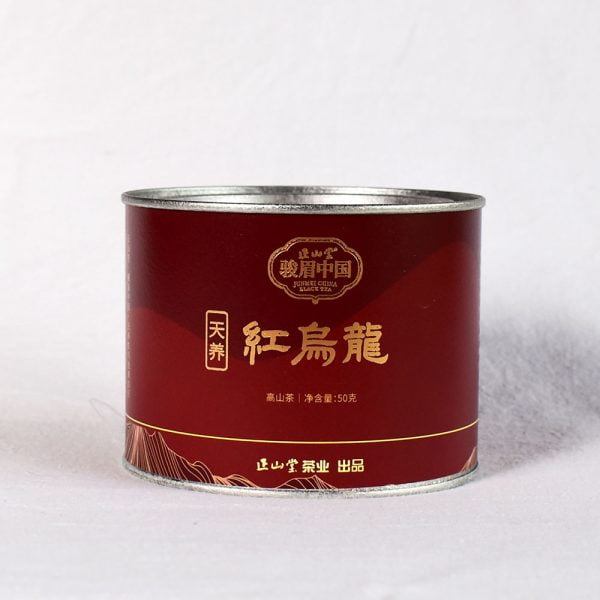
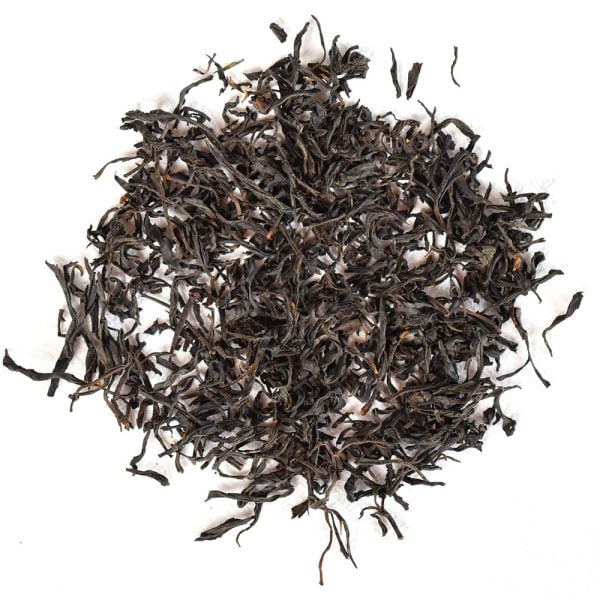
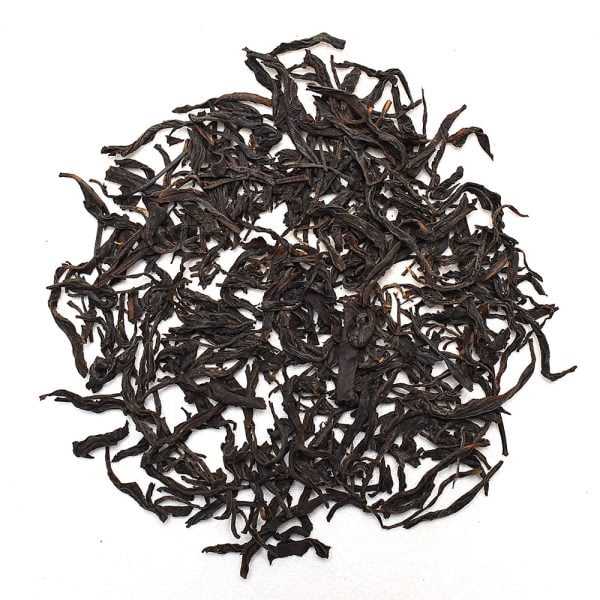
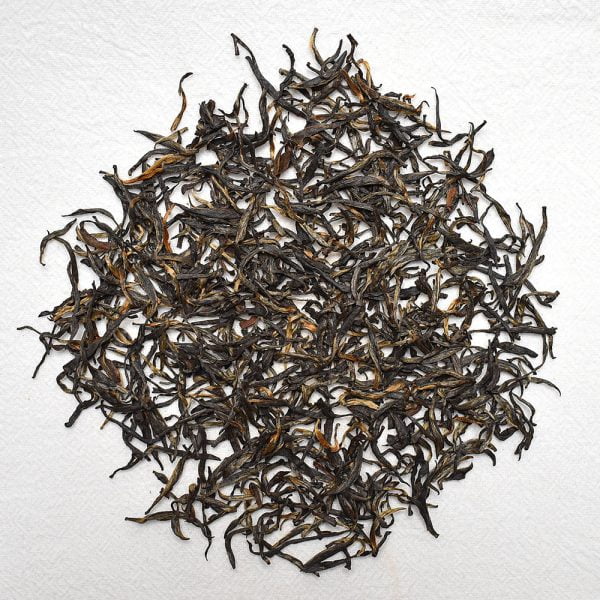
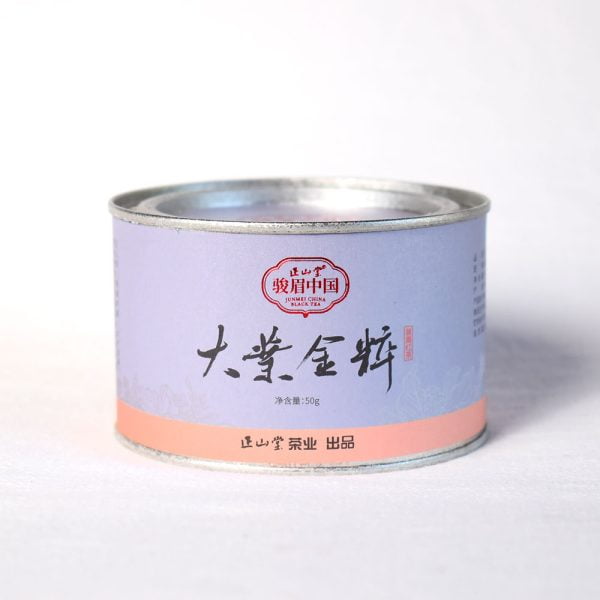
- Yunnan black teas (Dianhong) made from large-leaf ancient tree varietals
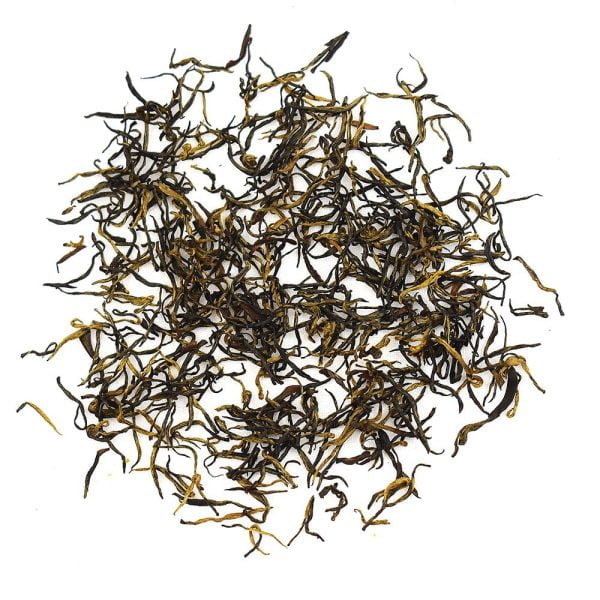
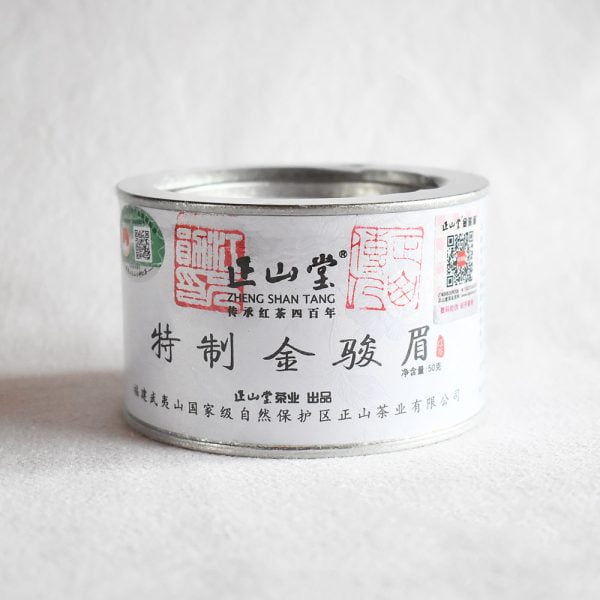
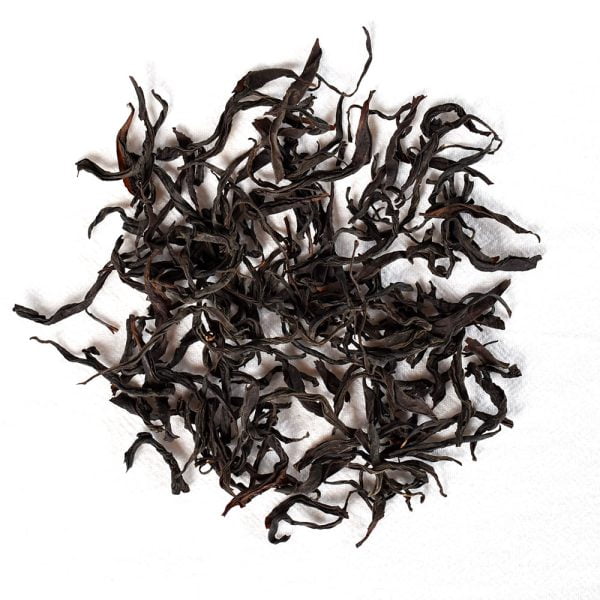
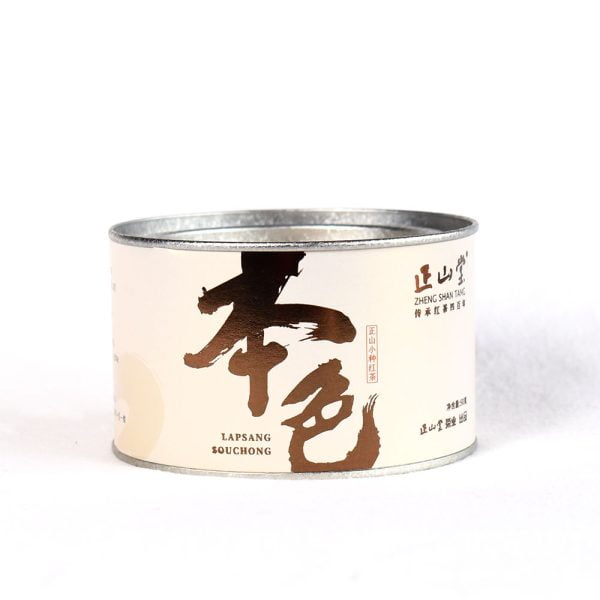
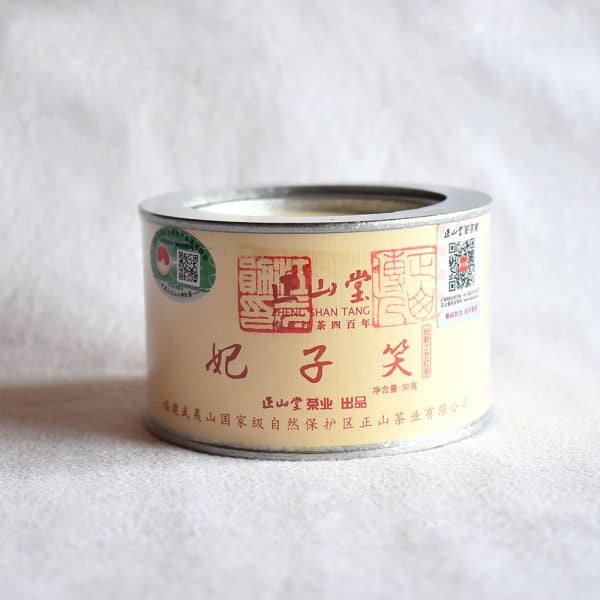
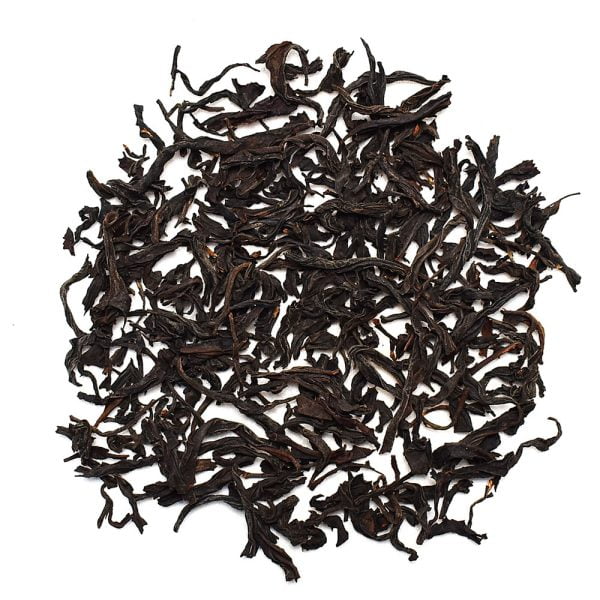
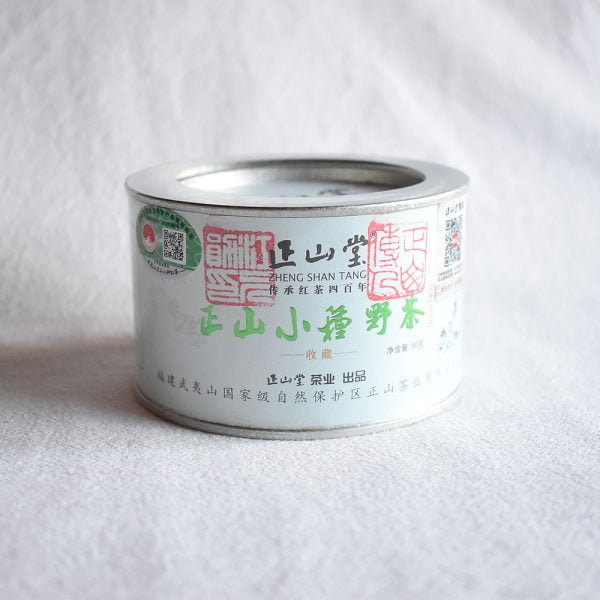
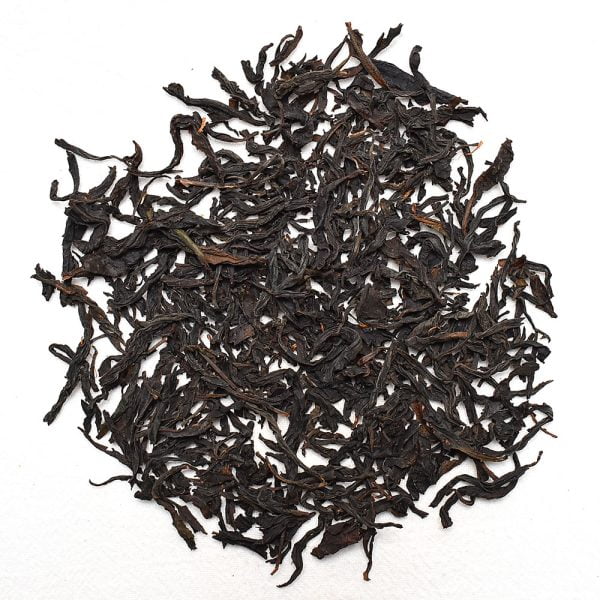
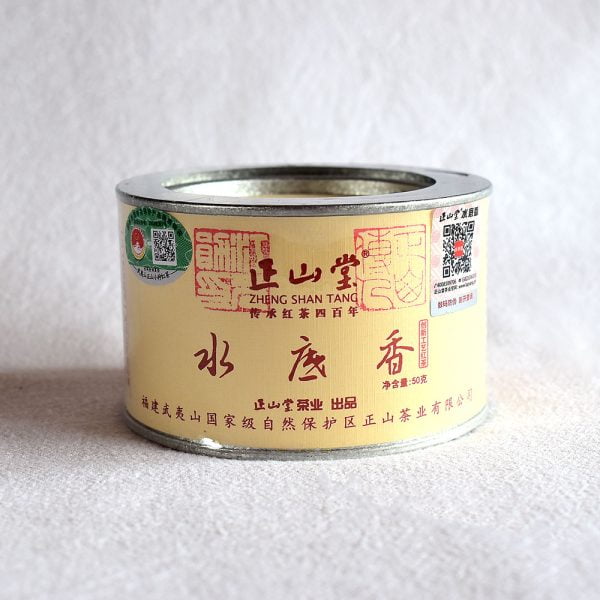
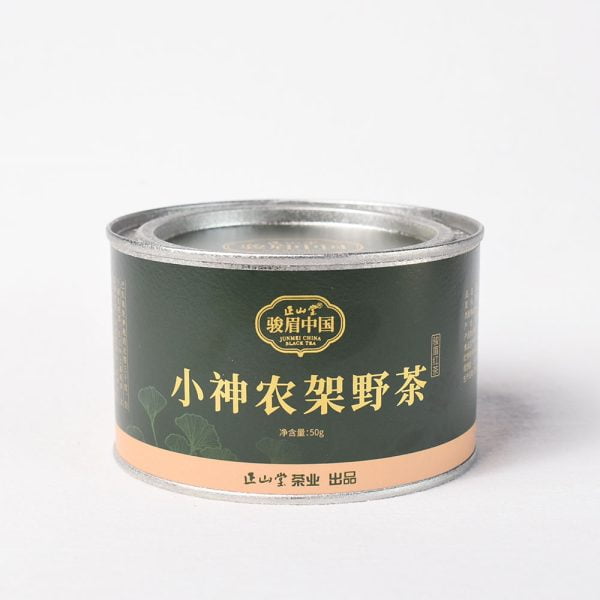
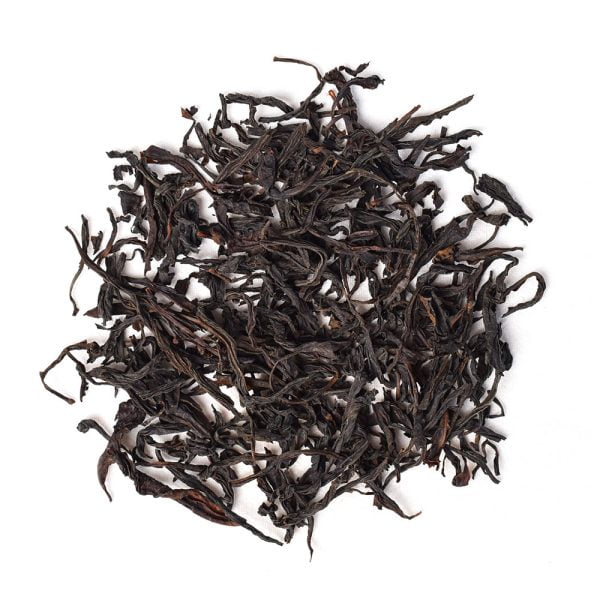
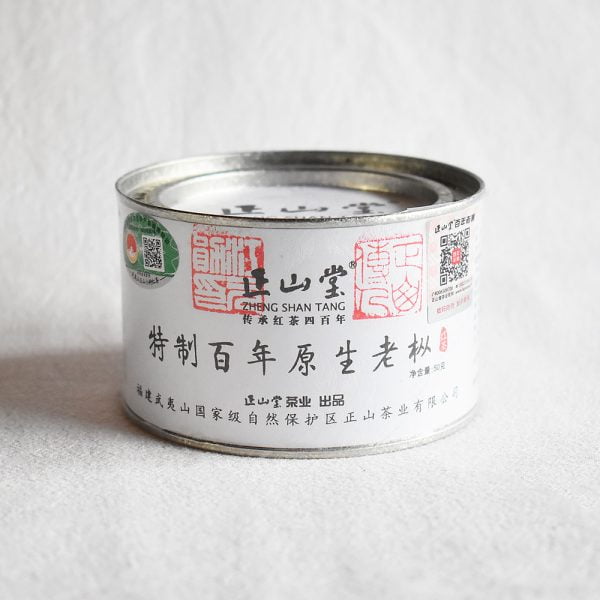
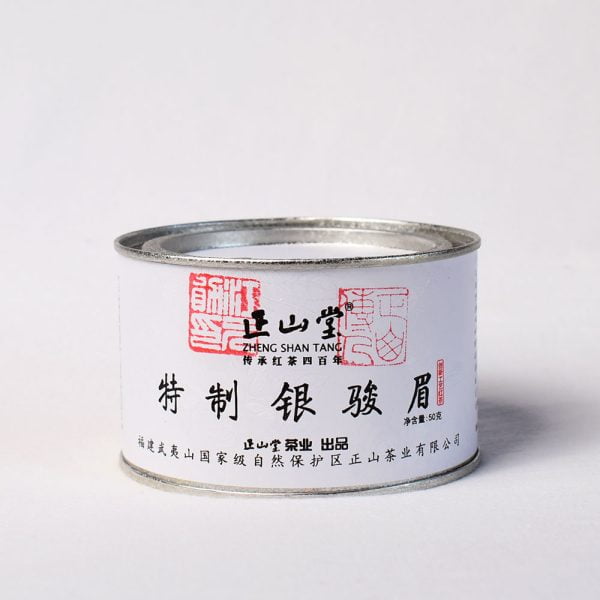
- Fujian Souchong and Jin Jun Mei teas crafted from young buds and small-leaf cultivars
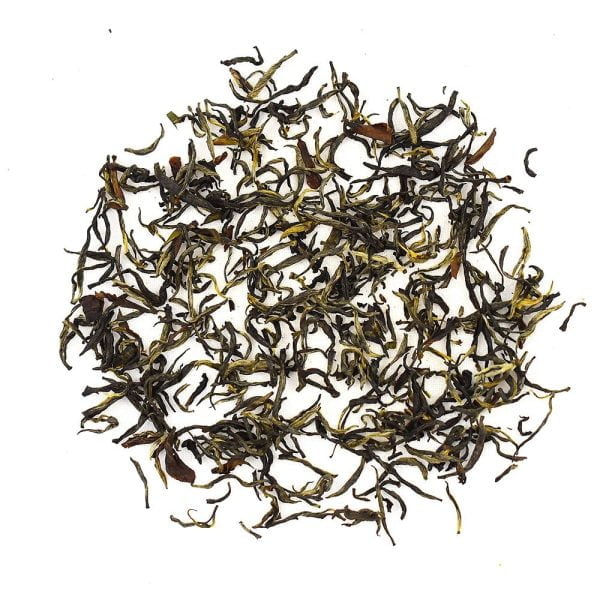
- Keemun black tea from Anhui, traditionally known for its refined strength
These teas reflect Chinese craftsmanship while offering naturally higher caffeine levels.How Processing Influences Caffeine Retention
Caffeine remains stable during oxidation, which means fully oxidised black teas tend to retain their natural caffeine levels.
Key factors contributing to high caffeine retention include:
- Use of buds and young leaves
- Minimal roasting after drying
- Processing styles that preserve leaf structure
This allows the final tea to maintain the caffeine that was originally present in the plant.High Caffeine Tea in Daily Rituals
High caffeine teas are often enjoyed during the morning or early afternoon when an energising lift is most welcome. Many tea drinkers prefer these teas as a focused companion during work, study or creative activities. Their strong stimulating effect makes them a reliable choice for those who want sustained energy through traditional tea rather than coffee.
Why Choose High Caffeine Tea From Hey China
At Hey China we curate a wide selection of high caffeine teas from China’s most respected black tea regions, including Yunnan, Fujian and Anhui. Our range includes ancient-tree black teas, golden bud teas, Souchong varieties, Jin Jun Mei, Keemun and other premium styles known for naturally higher caffeine levels. Each tea is selected for its quality, regional authenticity and traditional craftsmanship.