

Zhejiang is one of China’s most influential tea regions, known for its refined green teas, historic tea villages and a landscape shaped by lakes, mountains and abundant spring rain. As the birthplace of several of China’s most celebrated teas, Zhejiang’s tea culture blends centuries of craftsmanship with a deep appreciation for clarity, elegance and tradition.

Zhejiang: Lakes, Mountains and Mild Spring Climate
Located on China’s eastern coast, Zhejiang features rolling tea mountains, bamboo forests and river systems that support ideal tea-growing environments. The province’s mild, humid spring climate and frequent mist help tea buds grow slowly and stay tender during early-season harvesting.
Regions such as Hangzhou, Qiandao Lake and Anji are known for their balanced climate, rich soil and long history of cultivating high-quality green tea.Tea Culture and Historical Significance
Zhejiang has been a centre of Chinese tea culture since the Tang and Song dynasties. Scholars, poets and emperors praised the region for its purity of water, elegance of flavour and skill of its tea artisans. Many classical tea texts highlight Zhejiang as a core region for innovation, especially in pan-frying, shaping and early-spring harvesting.
The region’s emphasis on craftsmanship is reflected in its precise leaf shaping, gentle heat control and strong preservation of traditional processing methods.Hangzhou: Home of Dragon Well (Longjing) Tea
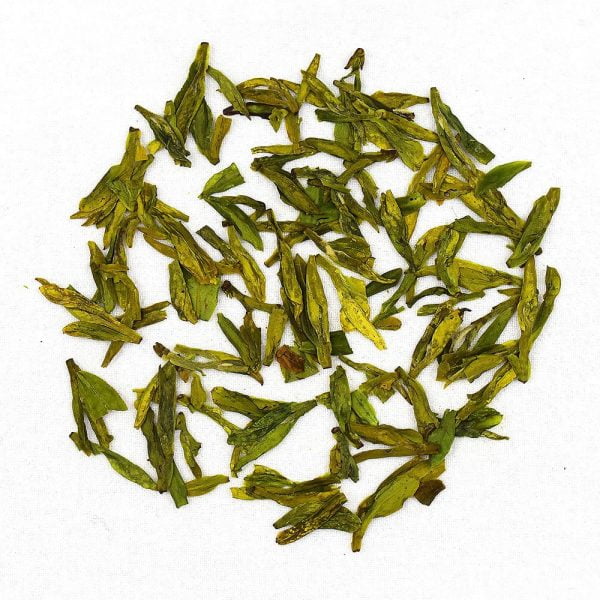
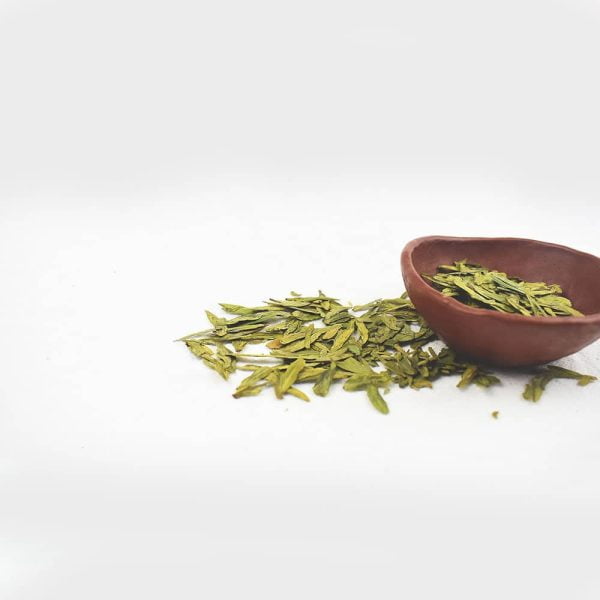
Hangzhou, especially the West Lake (Xihu) area, is the most famous tea-producing region in Zhejiang and the historic birthplace of Longjing (Dragon Well) tea. The West Lake region includes designated core producing areas with centuries of documented cultivation.
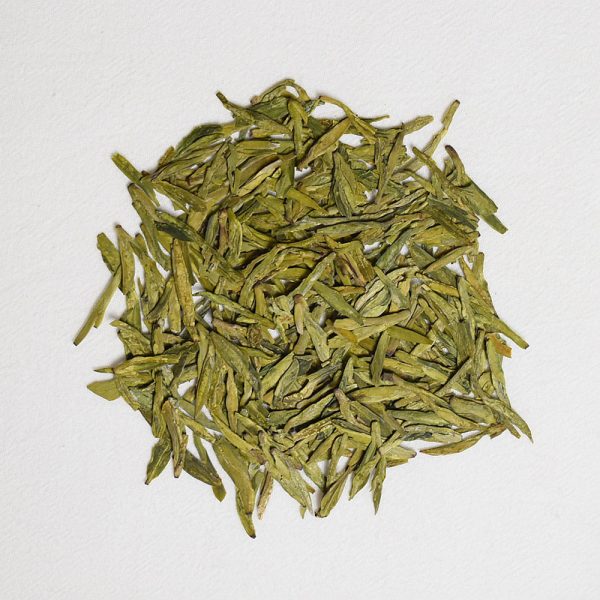
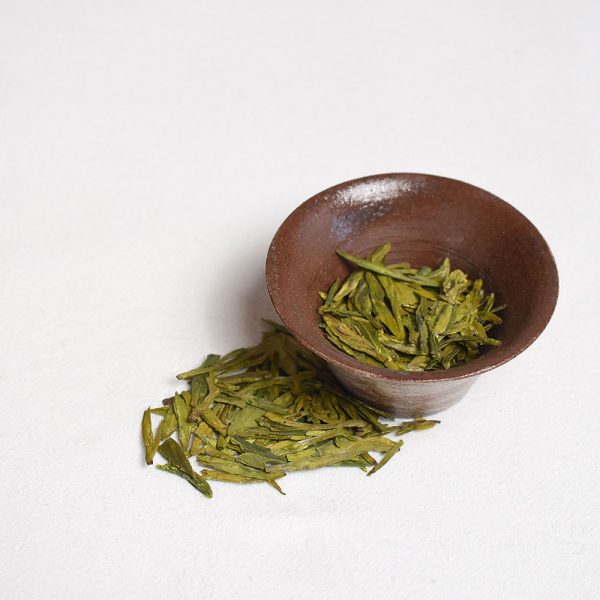
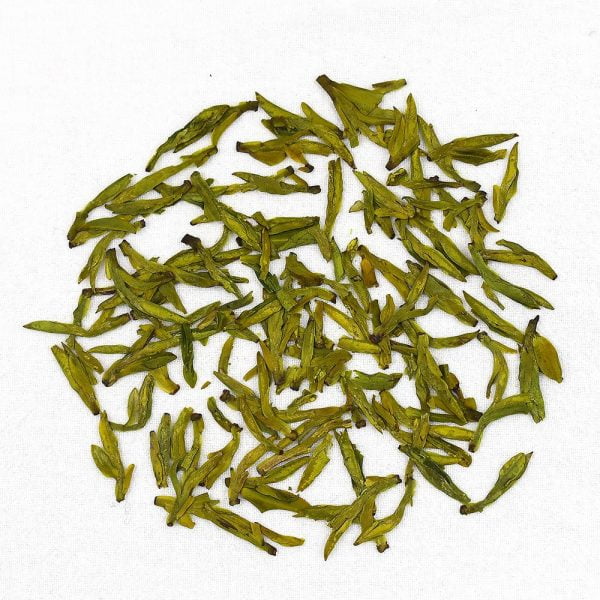
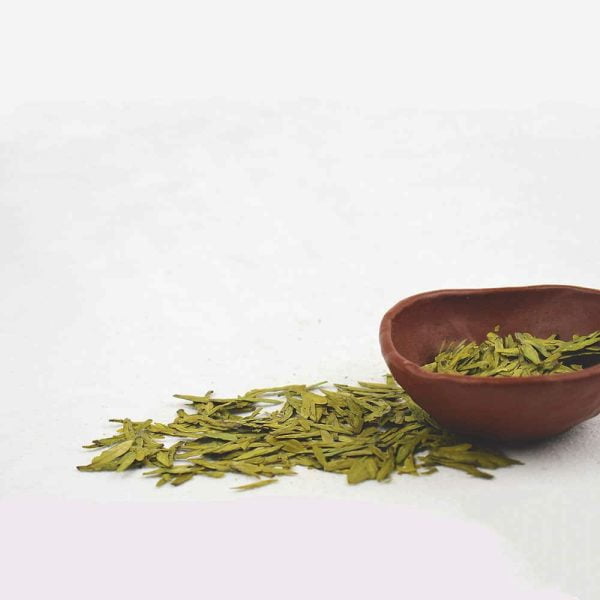
At Hey China, we offer several Dragon Well teas — West Lake Longjing, Qiandao Lake Longjing and Longwu Longjing — each representing key regions within Zhejiang’s broader Longjing heritage. Hangzhou’s tea culture is deeply tied to spring harvest traditions and historical processing methods refined over generations.Qiandao Lake and Emerging Longjing Regions
Qiandao Lake, located in western Zhejiang, has become an important modern producing area for Longjing-style teas. Its clean waters, mountain slopes and cooler air support early-spring growth similar to traditional Longjing regions.
Your Qiandao Lake Dragon Well Tea reflects the growing importance of this area, which has gained recognition for its clean environment and well-managed tea gardens.Anji: Origin of Anji White Tea
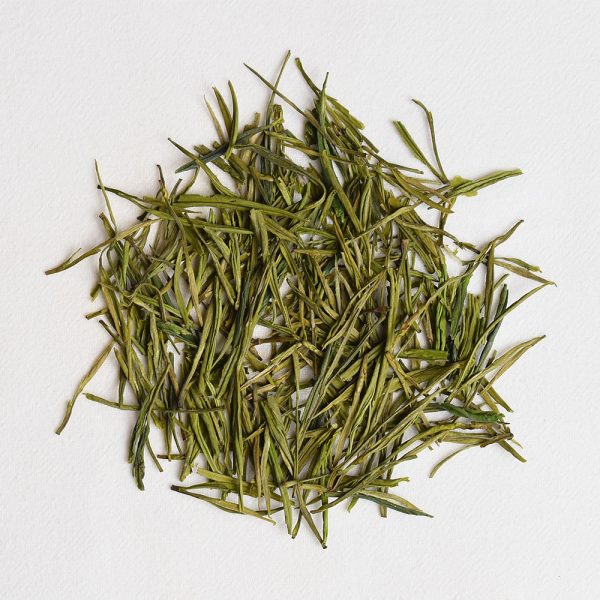
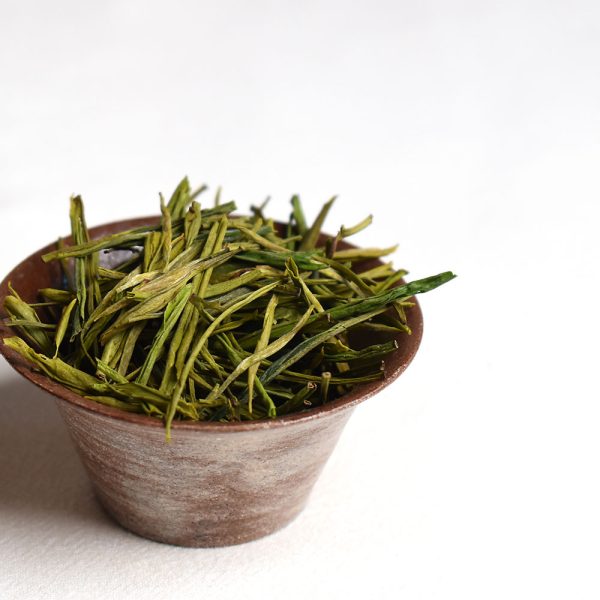
Anji County, in northern Zhejiang, is known for Anji White Tea (Anji Bai Cha) — a unique green tea made from a naturally pale, early-spring cultivar. Although called ‘white tea’ by name, it is processed as a green tea using traditional pan-frying and shaping techniques.
The region’s cool climate, high elevation and surrounding bamboo forests create a distinctive environment that supports the development of early-season buds. Anji has become one of Zhejiang’s most respected modern tea regions.Other Tea Traditions in Zhejiang
Beyond Longjing and Anji White Tea, Zhejiang also produces smaller quantities of regional green teas in areas such as Kaihua and Pan’an. These teas contribute to the province’s broader tea identity, although Longjing remains the benchmark of Zhejiang’s tea culture.
Zhejiang’s Signature Tea Styles
Zhejiang is primarily known for:
- Longjing (Dragon Well) Tea: one of China’s most historically significant green teas
- Anji White Tea: a renowned modern green tea produced from a pale-leaf cultivar
- Spring Green Tea Craftsmanship: precise processing, clean leaf shapes and early-season harvest traditions
These styles represent Zhejiang’s long-standing role in shaping Chinese tea culture.