

Sichuan is a province defined by dramatic mountains, fertile river basins and a long-standing tea culture that stretches back more than two thousand years. Known as one of the earliest regions in China to cultivate tea, Sichuan produces teas with deep aroma, natural sweetness and a distinctive high-mountain freshness. Its landscapes and history have shaped teas that remain treasured across the country.

Sichuan: Steep Mountains and Ancient Tea Forests
Located in southwestern China, Sichuan features a unique geography shaped by the Tibetan Plateau in the west and river plains in the east. The western highlands are cool, cloudy and rich in biodiversity, offering ideal growing conditions for early-spring tea. High altitude, abundant rainfall and filtered sunlight allow tea buds to grow slowly, absorbing nutrients and developing clear, elegant flavour.
The region’s natural environment results in teas that are aromatic, refreshing and often marked by a smooth, lingering sweetness.Tea Culture and Historical Importance
Sichuan holds a special place in Chinese tea history. It is widely recognised as one of the earliest tea-producing regions, with archaeological evidence showing tea cultivation dating back to the Han Dynasty. The region later became central to the development of brick tea and early forms of compressed tea used in ancient trade routes.
Tea culture in Sichuan also intertwines deeply with literature and philosophy. Scholars and poets, including figures such as Li Bai, praised the region’s tea as pure, refined and uplifting. Traditional techniques emphasise precision, gentle heat and careful shaping to preserve the character of early-spring buds.Ya’an and the Birthplace of High-Mountain Teas
The city of Ya’an, located in western Sichuan, is often referred to as the birthplace of cultivated tea. Its misty forests, clean water and steady climate make it one of the province’s most respected tea regions.
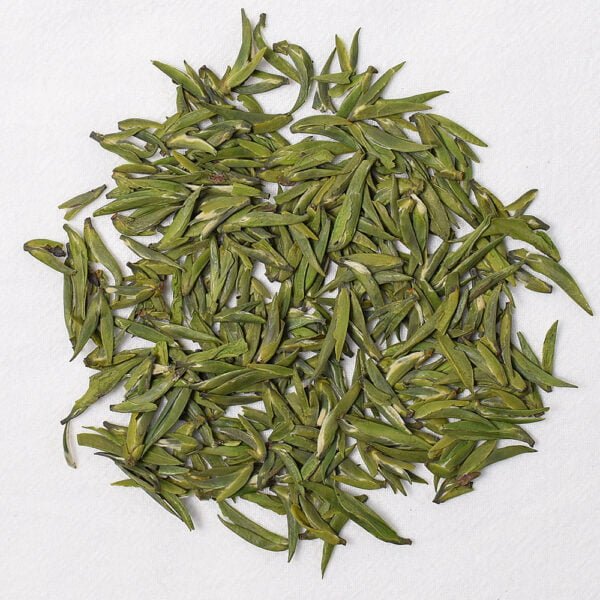
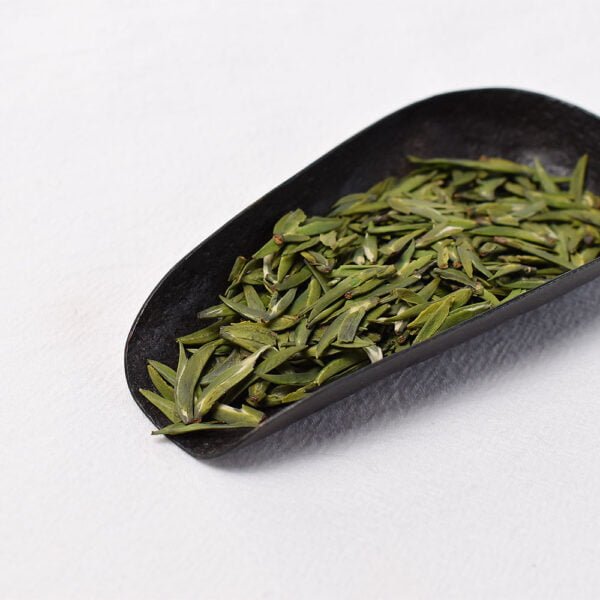
One of the region’s notable styles is Que She, also known as Sparrow’s Tongue, a delicate green tea crafted from slender early-spring buds. At Hey China, we offer Que She (Sparrow’s Tongue) 2025, known for its lightly curled leaves, floral aroma and refreshing, bright taste. The tea’s name comes from the shape of the buds, which resemble the slender tongue of a sparrow. It offers a naturally sweet, clean profile that reflects the purity of Sichuan’s high-mountain environment.Other Teas from Sichuan
Besides Que She, Sichuan also produces several other historically significant teas. Mengding Ganlu and Mengding Huangya from the Mengding Mountains are two classic examples, known for their elegant fragrance and long cultural heritage. While your selection focuses on Que She, these teas illustrate Sichuan’s broader influence on China’s early tea traditions.
Sichuan’s Signature Tea Styles
Sichuan is primarily known for:
- High-Mountain Green Tea: aromatic, sweet and refreshing, shaped by cool, cloud-covered slopes
- Historic Teas: such as those from Mengding, recognised in classical tea texts
These traditions highlight Sichuan’s balance of ancient heritage and distinctive terroir.