
Blue-and-white Tea Sets

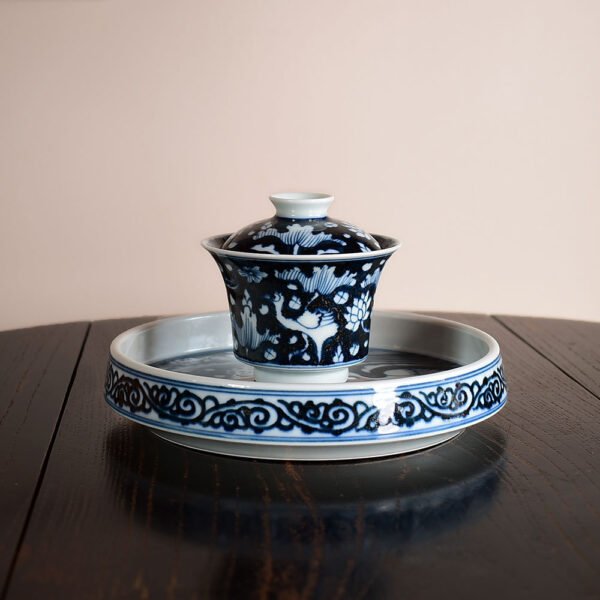
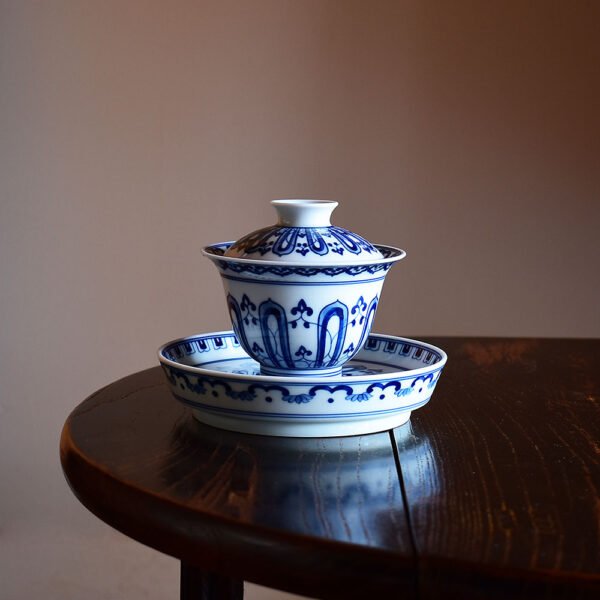
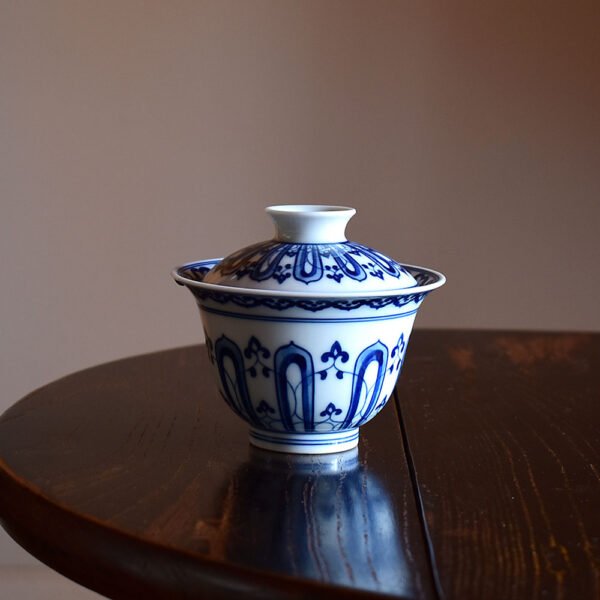
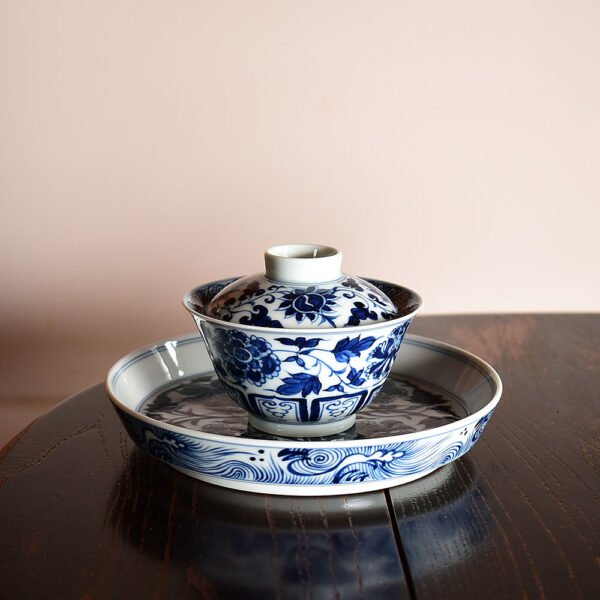
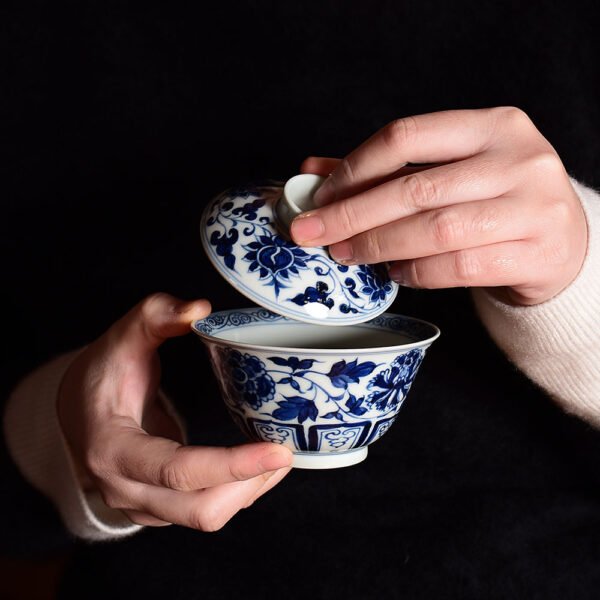
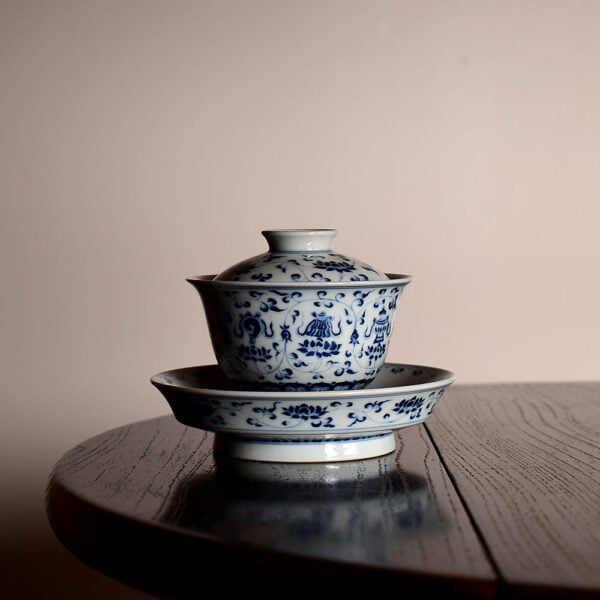
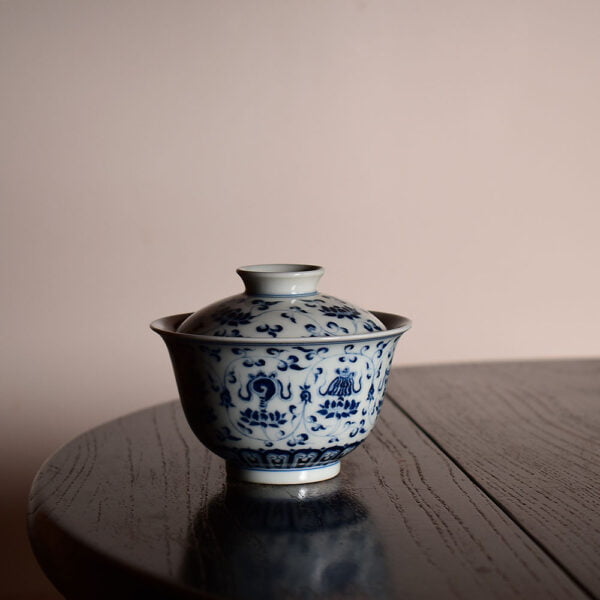
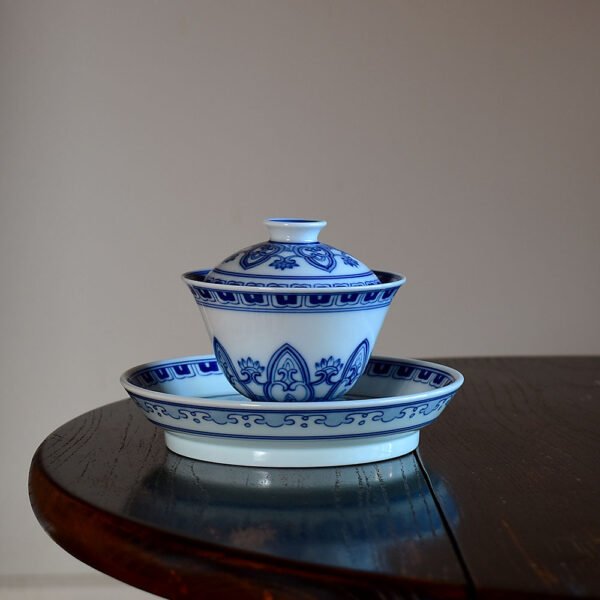
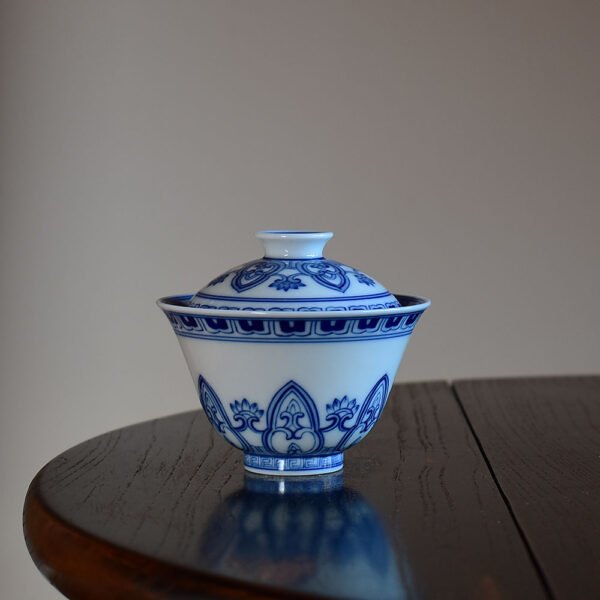
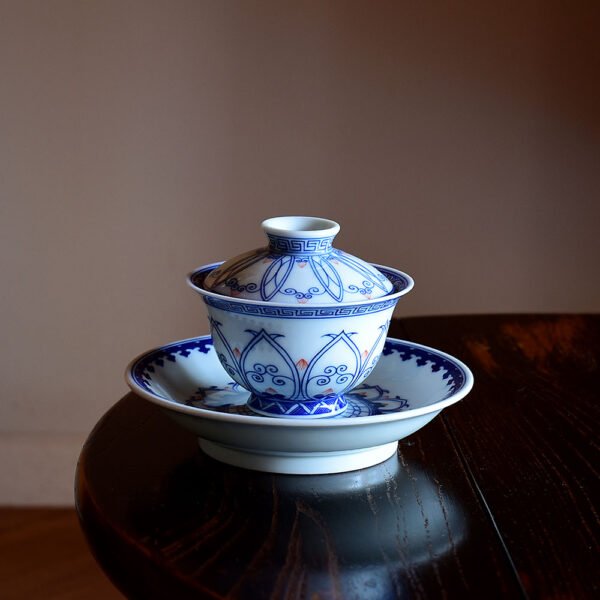
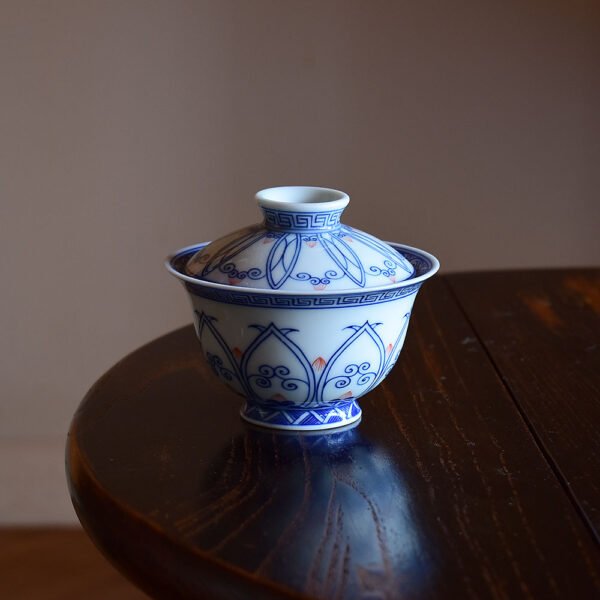
Blue and white porcelain tea sets are the epitome of class, elegance and centuries of Chinese tradition. A typical piece tea set includes components such as teapots, sugar basins, milk jugs, and tea cups, each with intricate decorative details.

Filters

    Product Filters

    *Type and press 'Enter' to search

    Filter by Category

    • 12 Chinese Tea

    Filter by Pu-erh Type

    Filter by Type

    Filter by Taste

    Filter by Origin

    Filter by Caffeine Level

    Filter by Leaf Form

    Filter by Brand

    Filter by Colour

    Filter by Material

    Filter by Number of Pieces

    Filter by Colour

    Filter by Material

    Filter by Size

    Filter by Colour

    Filter by Material

    Filter by Size

    Filter by Colour

    Filter by Material

    Filter by Size

    Filter by Colour

    Filter by Material

    Filter by Origin

    Share

12 Products

  • Blue and White Countryside Sunset Tea SetBlue and White Countryside Sunset Tea Set Out of Stock
    $119.99

    This blue and white tea set captures the tranquility of a countryside scene, depicting a poetic landscape where the sun sets and birds return home. The set includes a gaiwan, a fairness cup, and teacups, all hand-painted with traditional blue and white craftsmanship, exuding an elegant and serene oriental charm.

    The gaiwan features a picturesque village nestled among rolling hills and lush trees, evoking the imagery of a peaceful retreat away from the world. The teacups complement this design, portraying distant mountain ranges, flocks of birds, and the warm glow of the setting sun, creating a harmonious and tranquil atmosphere.

    The fairness cup is made of transparent glass, presenting a simple yet sophisticated contrast to the blue and white porcelain, adding depth and texture to the overall aesthetic. This thoughtfully designed tea set not only highlights the timeless beauty of traditional Chinese porcelain but also imbues tea-drinking with a poetic sense of tranquility. Whether for daily tea rituals or elegant gatherings, this set offers a peaceful and refined tea experience.

    Read more
  • Blue and White Countryside Tea SetBlue and White Countryside Tea Set
    $279.99

    This elegant tea set features a serene countryside design and includes a teapot with a “Meiren Jian” (Beauty Shoulder) shape, a fairness pitcher, and four tea cups. Each piece is adorned with hand-painted blue-and-white landscape patterns that depict a tranquil village scene. The flowing river, lush trees, distant houses, and soaring birds evoke a sense of natural harmony and rustic charm.

    The teapot stands out with its graceful “Beauty Shoulder” design, where the soft, smooth lines of the shoulder resemble the curve of a beauty’s shoulder, exuding elegance and sophistication. The spout is naturally curved for smooth pouring, while the handle offers a comfortable grip for ease of use. The lid fits seamlessly with the teapot, ensuring that the tea’s warmth and aroma are retained, combining functionality with aesthetic appeal. The tea cups are well-proportioned, with slightly flared rims that enhance drinking comfort while adding a touch of refinement. The fairness pitcher complements the set with its simple and elegant design, creating a cohesive and harmonious style.

    The deep and vibrant blue glaze contrasts beautifully with the pristine white porcelain, creating a fresh and refined visual effect. This tea set is not only a practical tool for brewing tea but also a collectible piece that blends traditional craftsmanship with artistic value. Whether for daily use or as a thoughtful gift for friends and family, it reflects both taste and a reverence for cultural heritage.

    Add to cart
  • Hand Painted Bao Xiang Gaiwan SetHand Painted Bao Xiang Gaiwan Set
    From: $389.98

    This tea set is completely handmade and hand-painted. The pattern featured is called “Bao Xiang” in Chinese, which is a traditional decorative motif representing one of the auspicious three treasures (Bao Xiang flower, Money tree, and Treasure basin), prevalent during the Sui and Tang dynasties in China. Bao Xiang pattern is also known as ‘Bao Xian Hua’ or ‘Bao Lian Hua’. Its lines are clear, and the colour is serene and antique. The Bao Xiang pattern design of this teaware is neat, and complex but not messy, and the whole picture of it is full and rich in details.

    In Chinese culture, the Bao Xiang pattern symbolizes auspiciousness and happiness, representing people’s aspirations for happiness. It is widely popular in the decoration of silk brocade, bronze mirrors, and porcelain, showcasing people’s pursuit of a better life.

    This tea set features smooth and concise curves, combining the unique beauty of the Bao Xiang pattern, creating a visually appealing and enjoyable tea-drinking experience.

    This tea set includes:

    Read more
  • Hand-Painted Sunflower Gaiwan with Matching Tea Tray SetHand-Painted Sunflower Gaiwan with Matching Tea Tray Set
    $1,999.99

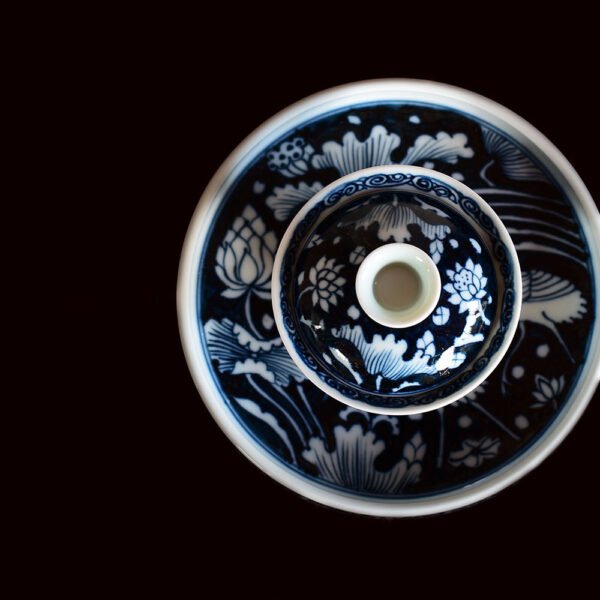
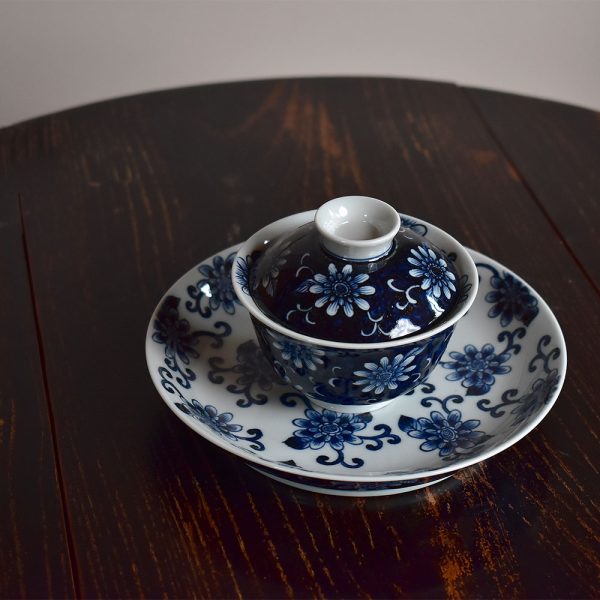
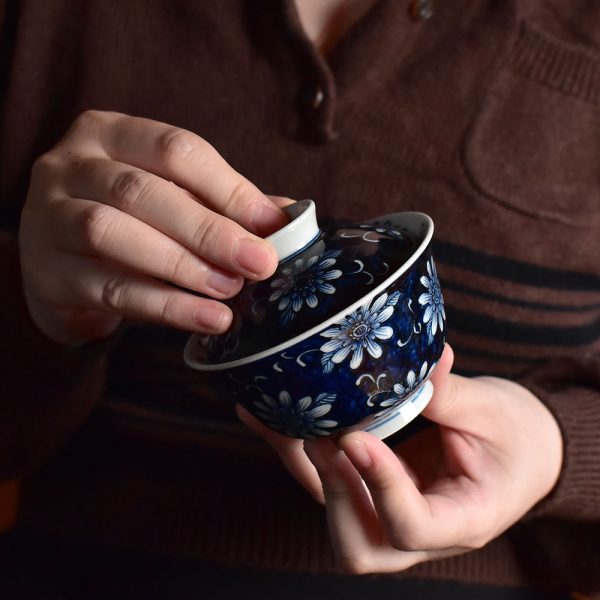
    This Gaiwan and tea tray set features the sunflower motif popular during the Ming and Qing dynasties, with an elegant form and vivid ornamentation. The design incorporates the distinctive silver-spot effect (xi ban) unique to blue-and-white porcelain, creating a visual charm full of antique allure. Entirely hand-painted in underglaze cobalt blue, the decoration offers a rich depth of tone and refined layers.

    In traditional Chinese porcelain art, the sunflower symbolises positivity, prosperity, and vitality. Its radiating petals represent light and hope, conveying wishes for a thriving family and a bright future. When used on tea wares, the sunflower carries the additional auspicious meaning of warmth, reunion, and heartfelt connection, enriching the tea-drinking experience with cultural depth.

    The Gaiwan’s bowl and lid are adorned with finely detailed sunflower patterns, the petals rendered with both delicacy and strength, and the full blossom centre reflecting the symmetry and order celebrated in Ming and Qing blue-and-white porcelain. Deep cobalt blue backgrounds set off the white-outlined petals, giving the motifs a vivid, dimensional quality. Scattered silver speckles are subtly visible, resembling natural metallic glints that lend a refined, time-worn charm when viewed in the light. The interior walls are similarly encircled by multiple sunflower motifs, creating harmony between inside and out.

    The matching tea tray has a broad rim and is fully decorated with sunflowers from the centre to the edge in a dense, well-ordered arrangement. Variations in cobalt shading, combined with the naturally dispersed silver speckles, give the flowers a unique interplay of light and shadow, with a softly weathered texture that reflects the beauty of time’s passage. The base ring is inscribed in blue-and-white script, complemented by floral motifs for a finely crafted finish.

    Blending the refined craftsmanship of Ming and Qing blue-and-white porcelain with the symbolic richness of the sunflower motif, this set is equally suited for daily tea rituals, special gatherings, or as a collectible and display piece imbued with auspicious meaning.

    Add to cart
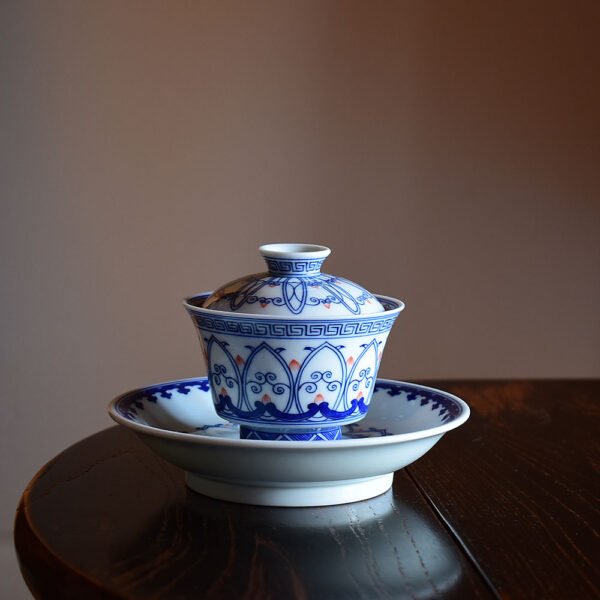
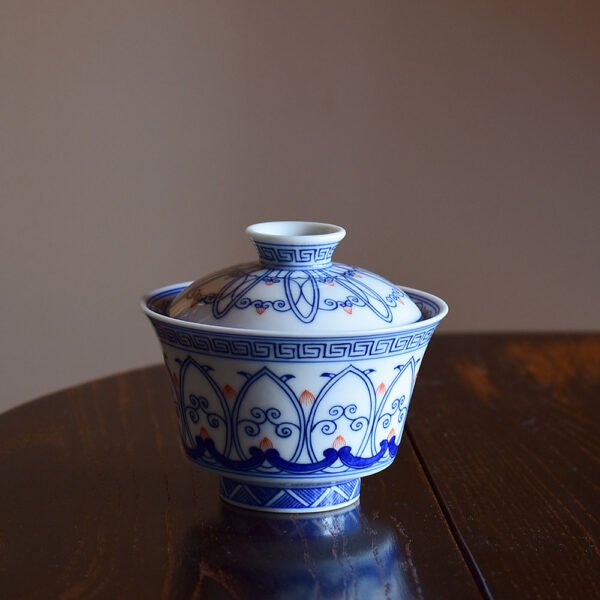
  • Blue and White with Underglaze Red Entwined Louts SetsBlue and White with Underglaze Red Entwined Louts Sets
    $1,139.99

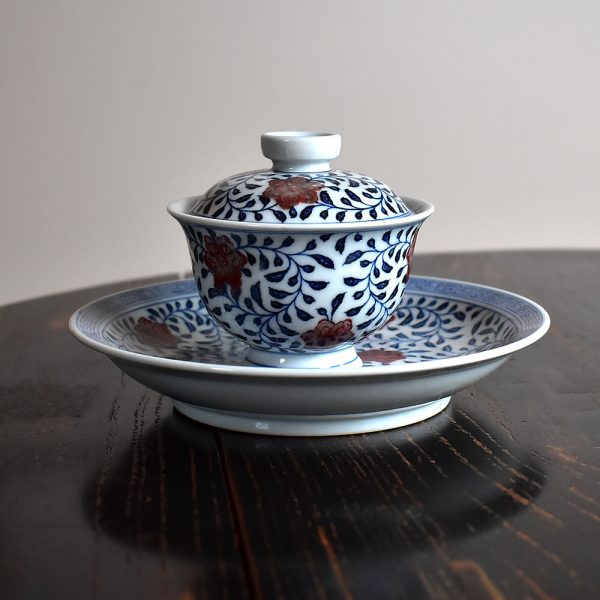
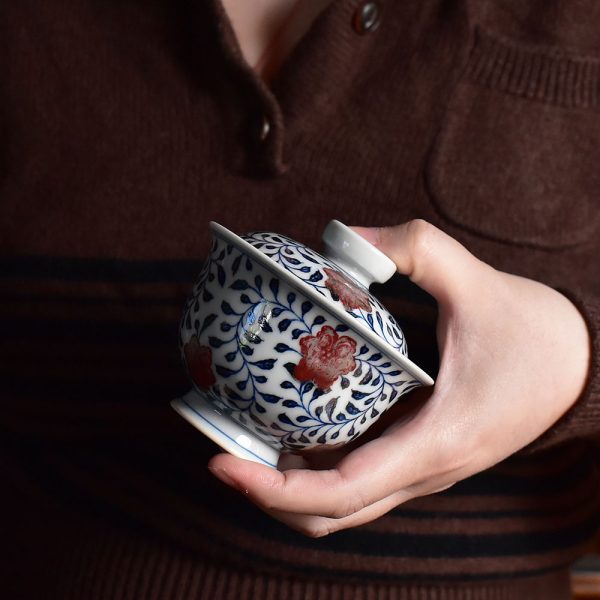
    This Gaiwan and teapot saucer set is entirely handcrafted using the blue-and-white with underglaze red technique. The decoration features the classic “Entwined Lotus” motif.

    The entwined lotus pattern — “flowers within flowers, blooms among leaves” — is also known as the “Longevity Vine” in Chinese tradition. It symbolises auspiciousness, and its continuous, interwoven structure conveys the meaning of “endless vitality.” In traditional Confucian culture, the lotus is regarded as the embodiment of truth, goodness, and beauty, and in Buddhism, it is a sacred emblem. The word “lotus” (莲, lián) is a homophone of “continuous” (连, lián), expressing wishes for enduring prosperity. The entwined lotus motif, preserved through centuries of Chinese decorative arts, owes its survival to both its beauty and its rich cultural connotations. The lotus is pure and elegant — beautiful without being gaudy, graceful without being vulgar — making it an enduring symbol in art and daily life.

    The blue-and-white with underglaze red technique, known colloquially as “blue and white with purple,” is a porcelain decoration method in which underglaze red is applied alongside blue-and-white patterns. Blue-and-white refers to designs painted with cobalt pigment, covered with a transparent glaze, and fired in a reducing atmosphere above 1200 °C. Underglaze red uses copper oxide (cupric) pigment applied directly to the clay body (or over a base glaze), then covered with a glaze and fired in a strong reducing atmosphere at 1250 °C–1280 °C, producing a vivid yet restrained red. In areas left blank in the blue-and-white pattern, underglaze red may be painted, creating the distinctive combined style.

    Producing blue-and-white with underglaze red porcelain is highly challenging. In ancient times, some artisans ruined themselves financially attempting to perfect it. The process requires painting with both cobalt and copper pigments on the same porcelain body, glazing, and firing at high temperatures in a reducing atmosphere. Because cobalt and copper reduce at different temperature ranges, precise control is extremely difficult, and successful pieces are rare. A common flaw is “red bleeding,” where the pigments merge or blur, diminishing clarity.

    When executed successfully, this combination of blue, red, and white achieves a striking artistic harmony, elevating porcelain decoration to a new level of refinement.

    Add to cart
  • Blue and White Landscape Gaiwan with Tea TrayBlue and White Landscape Gaiwan with Tea Tray
    $418.99

    This Blue and White Landscape Gaiwan is handcrafted using traditional blue and white porcelain techniques, showcasing the elegant style of traditional Chinese landscape painting. The gaiwan features intricate landscape scenes, depicting bridges, mountains, rivers, trees, pavilions, and figures, creating a sense of tranquility and timelessness. The blue glaze varies in intensity, creating depth and dimension, capturing both the grandeur of the landscape and the finer details. The blue and white patterns on the tea set harmonize with the tea when poured, enhancing the tea-drinking experience.

    Design and Appearance:

    • Shape: The gaiwan has a classic shape with smooth lines, offering a comfortable grip and adhering to the traditional design of tea ware.
    • Pattern: The hand-painted blue and white landscape pattern on the gaiwan is exquisitely detailed, showcasing the artist’s superior craftsmanship, especially in the depiction of rocks and trees, giving a three-dimensional effect.

    Craftsmanship and Techniques:

    • Blue and White Technique: This gaiwan is crafted using traditional blue and white porcelain techniques. The blue pigment fuses with the porcelain at high temperatures, resulting in a bright and stable glaze that is resistant to fading. The blue hue exudes a delicate tone under light, appearing particularly fresh and vibrant.
    • Hand-Painted: The entire piece is hand-painted by skilled artisans, with each stroke infused with artistic expression, reflecting the artist’s profound understanding of traditional landscape aesthetics. Hand-painting ensures that each tea set is unique, with subtle differences that express the individuality and emotion of the artist. This handcrafted warmth and uniqueness cannot be matched by mass-produced items.

    The Blue and White Landscape tea set is not just a functional utensil but also a symbol of traditional Chinese culture and art. It embodies the Chinese love for nature, the pursuit of art, and the appreciation of life aesthetics. Using such a tea set is not only about enjoying the flavor of the tea but also about savoring a cultural experience and lifestyle.

    Add to cart
  • Hand Painted Yuan Style Heron and Lotus Pu-erh GaiwanHand Painted Yuan Style Heron and Lotus Pu-erh Gaiwan
    From: $559.98

    This tea set is made in the style of the Yuan dynasty blue and white porcelain, completely handmade and hand-painted. The pattern of “一鹭莲科” or “一路连科” in Chinese culture is derived from the beautiful combination of the heron and lotus leaves. As “鹭” (heron) and “路” (path/road) have the same pronunciation, and “莲” (lotus) sounds like “连” (successive/continuous), the name “一路连科” is a play on words that conveys the beautiful meaning of the pattern. In ancient times, successive successful candidates in the imperial examinations were called “连科,” and “一路连科” is a good wish for students to have a smooth career path and achieve success step by step.

    For Yuan blue and white porcelain refers to the blue and white porcelain produced during the Yuan dynasty (1271-1368) in China. The Yuan dynasty was an important period in the history of Chinese porcelain and one of the peaks of Chinese porcelain art. As one of the representatives of that era, Yuan blue and white porcelain exhibited unique artistic styles and technical levels. The characteristic of Yuan blue and white is the use of cobalt blue pigment for painting, which is made of cobalt oxide. After firing, the colour is bright and rich, with an extremely high decorative effect. Yuan blue and white porcelain has various shapes, thick and heavy, concise, and fluent lines, and stable and solemn shapes, all made exquisitely.

    The evolution of Yuan blue and white is based on the foundation of Tang and Song celadon. Firstly, the glaze colour was improved and innovated. Unique white glaze, eggshell glaze and blue-white glaze were invented to make the glaze crystal clear. Cobalt pigment was imported for glaze colouring. Or using the pigment made from domestic materials.

    The formation of tin spots on Yuan blue and white is due to the high content of iron elements in local parts of the blue pigment. After reaching saturation in the high-temperature glaze solution and cooling down, the iron elements in the supersaturated part start to precipitate. If the iron content of the blue pigment is higher and the cooling rate is appropriate, tin spots are more likely to appear on the surface of the ware.

    In addition to firing and materials, the formation of tin spots also involves the factor of glaze material. During the painting process, tin spots can also be formed due to the accumulation of blue pigment. Tin spots are more likely to appear on the surface of the ware at the intersections and the starting and ending points of brushstrokes. The formation of tin spots can be said to be a natural creation or an artificial decoration.

    This tea set has a thick body and uses the Su Ma Li Qing glaze material (a kind of blue pigment), with a heavy sense of tin spots, revealing a unique charm of the past era. The entire production process is completed by hand, and every detail has been carefully designed and polished, giving this tea set a unique artistic charm.

    This tea set includes:

    Select options
  • Hand Painted Peony Tea SetHand Painted Peony Tea Set
    From: $989.98

    The style of this super beautiful Gaiwan is Ming, using the underglaze blue technique, and entirely handcrafted and hand painted. The pattern features the classic design of intertwining Peony branches.

    Peony, one of the beloved traditional patterns in our country, holds a special place in the hearts of the Chinese people with its lush and vibrant appearance and striking colors. As a symbol of our national spirit, it embodies the beautiful aspirations and good wishes for life, symbolizing the prosperity and longevity of the Chinese nation, with a history that stretches far into the past. The intertwined peony, known as “Wanshou Teng” or “Peony with Entwined Branches,” is a traditional auspicious pattern, that represents joyous occasions. Its continuous interlocking structure also conveys the meaning of “endless vitality” or “continuous growth.”

    In addition, the beautiful tin spots on the porcelain add even more unique charm to it. The formation of tin spots is due to the high content of iron elements in local parts of the blue pigment. After reaching saturation in the high-temperature glaze solution and cooling down, the iron elements in the supersaturated part start to precipitate. If the iron content of the blue pigment is higher and the cooling rate is appropriate, tin spots are more likely to appear on the surface of the ware.

    In addition to firing and materials, the formation of tin spots also involves the factor of glaze material. During the painting process, tin spots can also be formed due to the accumulation of blue pigment. Tin spots are more likely to appear on the surface of the ware at the intersections and the starting and ending points of brushstrokes. The formation of tin spots can be said to be a natural creation or an artificial decoration. This tin glazes not only add a rustic texture to the Gaiwan but also imbue it with a unique sense of history.

    This Gaiwan exudes a charming style reminiscent of imitating the essence of Yuan Dynasty tea sets.

    This tea set includes:

    Select options
  • Hand Painted Lotus Ba Bao GaiwanHand Painted Lotus Ba Bao Gaiwan
    From: $1,695.98

    The style of this super beautiful tea set is Ming, using the underglaze blue technique, and entirely handcrafted and hand painted. The pattern features very traditional Chinese patterns including intertwining lotus and ‘Ba Bao’.

    The “Ba Bao,” also known as the “Buddhist Eight Treasures” or “Eight Auspicious Treasures,” represent eight auspicious objects symbolizing the power of Buddhism. These symbols manifest through the perception of eight types of consciousness: eyes, ears, nose, tongue, body, mind, intellect, and consciousness. They are depicted in various patterns and motifs as decorations in Buddhist art.

    During the Qing Dynasty, particularly during the reign of Emperor Qianlong, these eight auspicious symbols were transformed into three-dimensional display items. They were often placed together with ritual vessels in temples. The eight auspicious symbols are abbreviated as follows: Conch Shell, Dharma Wheel, Umbrella, Canopy, Lotus Flower, Vase, Fish, and Endless Knot.

    According to Buddhist beliefs, each of the “Eight Auspicious Symbols” has specific symbolic meanings:

    • Conch Shell: Represents the auspicious sound of the Dharma, spreading throughout the world as a symbol of good fortune.
    • Dharma Wheel: Signifies the endless cycle of Buddhist teachings, symbolizing the continuity of life.
    • Umbrella: Symbolizes protection and the ability to shield and safeguard all sentient beings.
    • Canopy: Represents the protection of the world and purification of the universe, symbolizing liberation from poverty and illness.
    • Lotus Flower: Symbolizes purity and divine birth, representing the rejection of contamination.
    • Vase: Represents the perfection of wisdom and fulfillment, symbolizing the achievement of success.
    • Fish: Symbolizes liveliness, health, and vitality, serving as a sign of good luck and warding off evil spirits.
    • Endless Knot: Represents the interconnectedness and endless nature of all things, symbolizing longevity, and a hundred years of life.

    The construction of these symbols focuses on using auspicious objects as the main decorative elements, with their forms often being symmetrical or balanced. Some are complemented by flowing ribbons, while others are placed on a lotus pedestal, creating a harmonious and coherent effect among the different auspicious treasures.

    During the Tang and Song Dynasties, the Eight Auspicious Symbols were introduced to the central plains with the spread of Tibetan Buddhism. By the Yuan Dynasty, they began to appear on silk, ceramics, gold, and silver items. In the Ming and Qing Dynasties, the application of the Eight Auspicious Symbols became even more widespread, involving lacquerware, furniture, architectural decorations, and other areas of craftsmanship.

    The delicate brushstrokes and intricate detailing of the painting on this tea set create a distinct sense of aesthetic appeal. The soft and elegant shade of underglaze blue, along with a hint of faint tin glaze, gives it a graceful and ethereal beauty under the light. This tea set exudes a simple yet elegant charm, reminiscent of the style of imitation Ming, making it truly captivating and irresistible.

    This tea set includes:

    Select options
  • Hand Painted Horseshoe Shaped Bao Xiang Gaiwan SetHand Painted Horseshoe Shaped Bao Xiang Gaiwan Set
    From: $455.98

    This tea set is completely handmade and hand-painted. The special craft used in this teaware includes Blue and white underglaze colour and underglaze red. The special horseshoe-shaped design allows for easy handling and prevents becoming too hot to touch.

    The pattern featured is called “Bao Xiang” in Chinese, which is a traditional decorative motif representing one of the auspicious three treasures (Bao Xiang flower, Money tree, and Treasure basin), prevalent during the Sui and Tang dynasties in China. Bao Xiang pattern is also known as ‘Bao Xian Hua’ or ‘Bao Lian Hua’. Its lines are clear, and the colour is serene and antique. The Bao Xiang pattern design of this teaware is neat, and complex but not messy, and the whole picture of it is full and rich in details.

    In Chinese culture, the Bao Xiang pattern symbolizes auspiciousness and happiness, representing people’s aspirations for happiness. It is widely popular in the decoration of silk brocade, bronze mirrors, and porcelain, showcasing people’s pursuit of a better life.

    This tea set includes:

    Read more
  • Hand Painted Bao Xiang Gaiwan Set - LotusHand Painted Bao Xiang Gaiwan Set - Lotus
    From: $455.98

    This tea set is completely handmade and hand-painted. The pattern featured is called “Bao Xiang” in Chinese, which is a traditional decorative motif representing one of the auspicious three treasures (Bao Xiang flower, Money tree, and Treasure basin), prevalent during the Sui and Tang dynasties in China. Bao Xiang pattern is also known as ‘Bao Xian Hua’ or ‘Bao Lian Hua’. Its lines are clear, and the colour is serene and antique. The Bao Xiang pattern design of this teaware is neat, and complex but not messy, and the whole picture of it is full and rich in details.

    In Chinese culture, the Bao Xiang pattern symbolizes auspiciousness and happiness, representing people’s aspirations for happiness. It is widely popular in the decoration of silk brocade, bronze mirrors, and porcelain, showcasing people’s pursuit of a better life.

    This tea set features smooth and concise curves, combining the unique beauty of the Bao Xiang pattern, creating a visually appealing and enjoyable tea-drinking experience.

    This tea set includes:

    Select options
  • Hand Painted YuanBao Shaped Bao Xiang Gaiwan SetHand Painted YuanBao Shaped Bao Xiang Gaiwan Set
    From: $489.98

    This tea set is completely handmade and hand-painted. The special craft used in this teaware includes Blue and white underglaze colour and underglaze red.

    The pattern featured is called “Bao Xiang” in Chinese, which is a traditional decorative motif representing one of the auspicious three treasures (Bao Xiang flower, Money tree, and Treasure basin), prevalent during the Sui and Tang dynasties in China. Bao Xiang pattern is also known as ‘Bao Xian Hua’ or ‘Bao Lian Hua’. Its lines are clear, and the colour is serene and antique. The Bao Xiang pattern design of this teaware is neat, and complex but not messy, and the whole picture of it is full and rich in details.

    In Chinese culture, the Bao Xiang pattern symbolizes auspiciousness and happiness, representing people’s aspirations for happiness. It is widely popular in the decoration of silk brocade, bronze mirrors, and porcelain, showcasing people’s pursuit of a better life.

    This tea set features smooth and concise curves, combining the unique beauty of the Bao Xiang pattern, creating a visually appealing and enjoyable tea-drinking experience. The blue and red underglaze colours complement each other and create a beautiful radiance.

    This tea set includes:

    Select options