

Anhui is a province known for misty mountains, deep valleys and some of China’s most recognisable teas. With its dramatic landscapes and cool, cloud-covered climate, Anhui produces teas celebrated for clarity, elegance and refined aroma. From the high peaks of Huangshan to the historic tea villages of Qimen and Taiping, this region carries a long tradition of craftsmanship and exceptional flavour.




Anhui: A Province Defined by Mountains and Mist
Located in eastern China, Anhui features a mix of rugged highlands and fertile river basins shaped by centuries of natural erosion. The southern part of the province, especially around the Huangshan (Yellow Mountain) range, is blanketed in mist for much of the year. These conditions create a slow-growing environment ideal for developing tender buds, high fragrance and the iconic freshness associated with Anhui teas. The combination of high elevation, mineral-rich soil and frequent cloud cover results in tea with a bright taste and lasting sweetness.
Historical Roots and Tea Culture
Anhui’s tea heritage dates back more than a thousand years. Poets, scholars and travellers praised its landscapes in classical literature, and many of these same places later became tea-producing centres. The region is especially known for its commitment to traditional hand-processing methods. Slow pan-frying, gentle shaping, intricate leaf sorting and meticulous drying are still practiced in many villages, preserving techniques passed down through generations. Anhui teas gained international recognition during the Qing Dynasty, when both black and green varieties were exported globally.
Huangshan: Home of Huangshan Maofeng
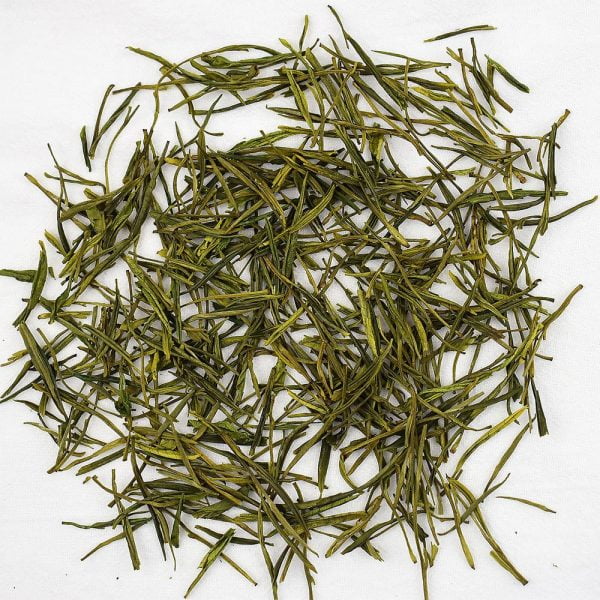
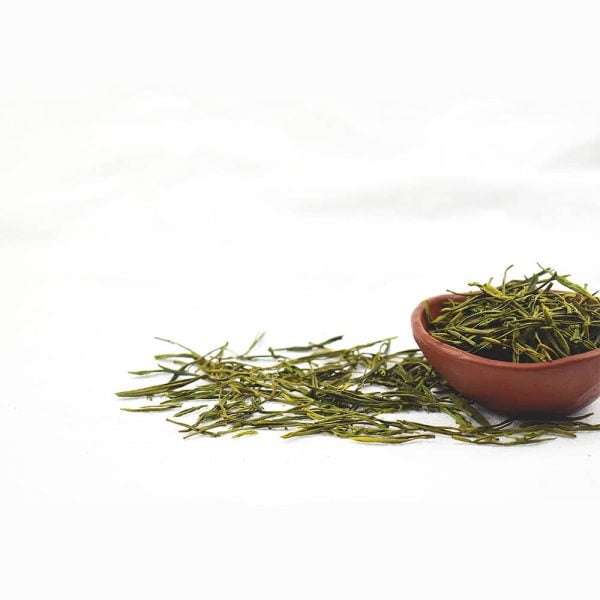
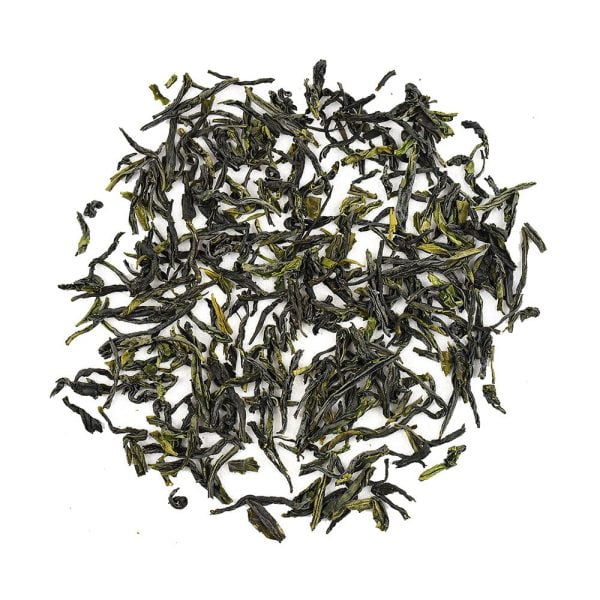
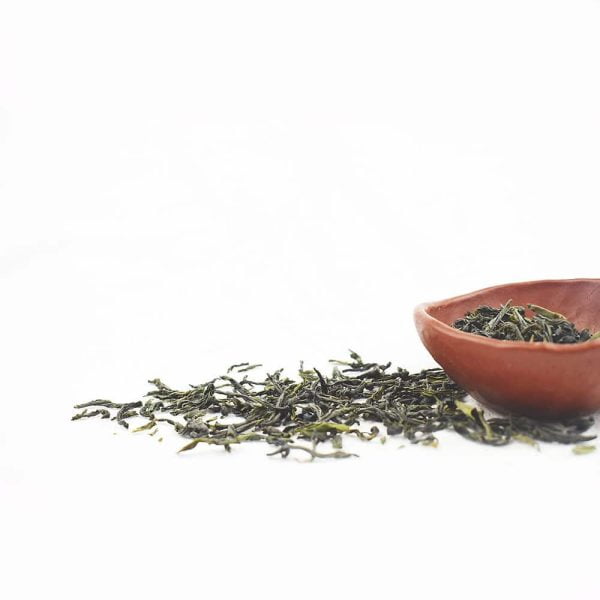
The majestic Yellow Mountain area is one of China’s most iconic landscapes and the birthplace of Huangshan Maofeng, one of the Ten Famous Teas of China. Its steep granite cliffs, shifting sea of clouds and forested slopes create a cool, humid climate perfect for producing delicate, down-covered buds. At Hey China we offer Yellow Mountain Fur Peak (Huangshan Maofeng), celebrated for its light floral aroma, gentle sweetness and refreshing clarity. The tea is traditionally picked early in spring and crafted to preserve the natural shape of the bud and leaf. Huangshan’s terrain also contributes to teas with clean liquor, soft texture and an elegant, lingering aftertaste.
Qimen: Birthplace of Keemun Black Tea
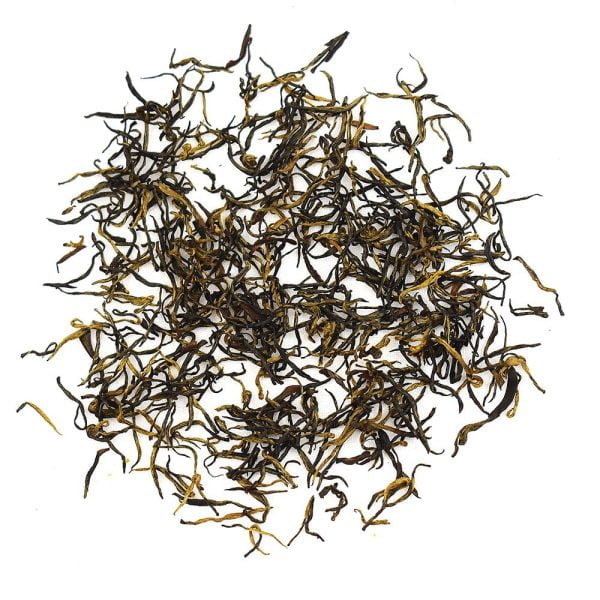
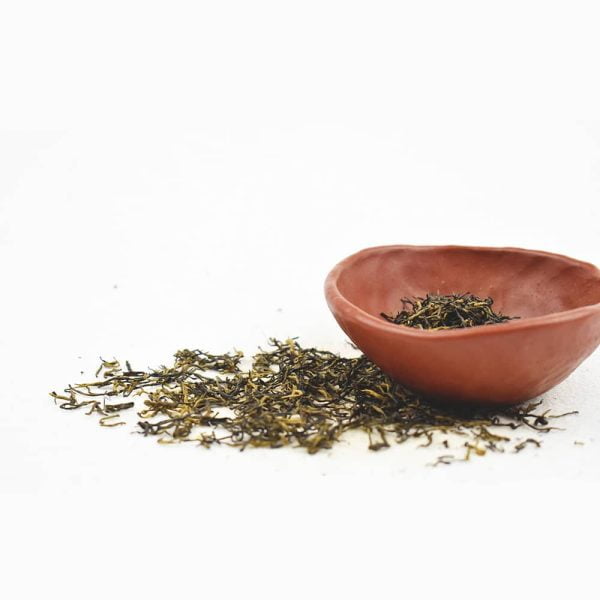
In southwestern Anhui lies Qimen (Keemun), the region responsible for one of the most famous black teas in the world. Keemun black tea is cherished for its distinctive ‘Keemun fragrance’, often described as orchid-like with hints of honey and cocoa. The area’s cool mornings and mild humidity enhance slow oxidation, developing depth and complexity in the leaves. At Hey China we carry several Keemun varieties, including Premium Keemun Black Tea and Keemun Maofeng Black Tea, each showcasing the smooth, layered profile that made this tea internationally celebrated. Keemun is often praised for its balanced structure and clarity, making it suitable for multiple brewing styles.
Taiping & Lu’an: Unique Tea Traditions
Anhui is also known for producing distinctive teas with bold craftsmanship. Taiping Houkui, harvested in the region surrounding Taiping and Monkey Village, is renowned for its unusually large, flat leaves and clean orchid fragrance. Our Premium Monkey Village Monkey Tea (Taiping Houkui) highlights the crisp, cooling sweetness that this tea is known for.
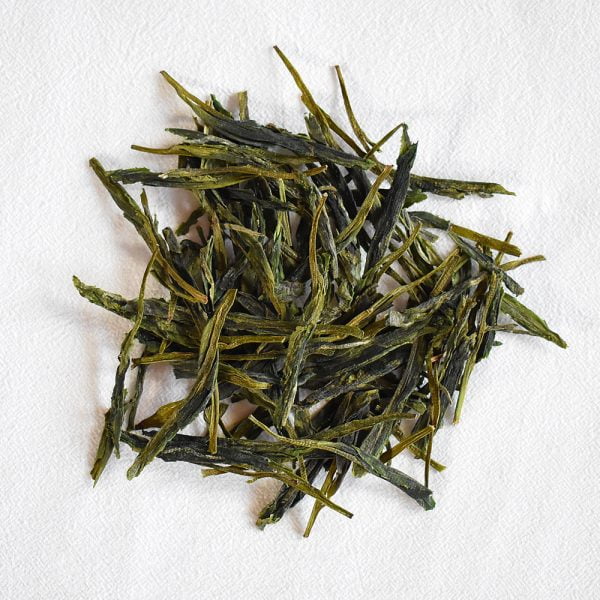
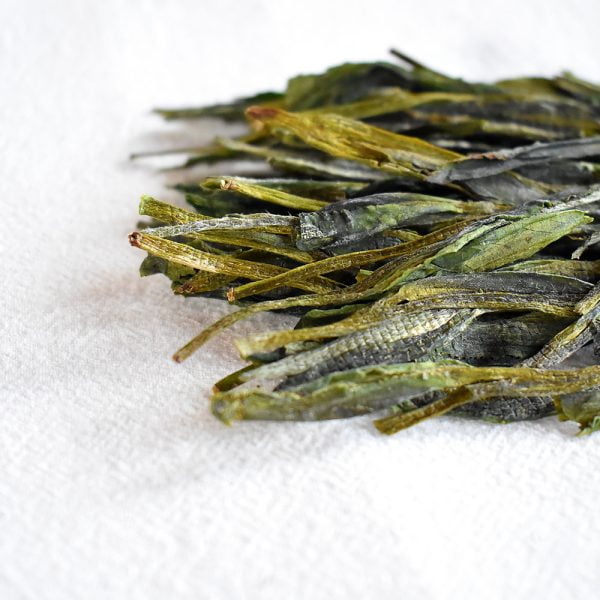
The region of Lu’an, located to the west, produces Lu’an Leaf (Liu’an Guapian) — a rare style of tea made entirely from mature leaves without buds. This gives the tea a rich, mellow character and a smooth mouthfeel that stands apart from other Chinese green teas. These unique styles reflect Anhui’s tradition of experimentation and craftsmanship across different terrains.Anhui’s Signature Tea Styles
Anhui excels in two main categories of Chinese tea:
- Green Tea: Huangshan Maofeng, Taiping Houkui, Lu’an Guapian
- Black Tea: Keemun (Qimen)
Together these teas define Anhui’s reputation for elegance, clarity and refined aroma, shaped by mountains, mist and centuries of perfecting traditional craft.