

Taiwan is a tea region celebrated for its misty mountains, cool high-altitude climates and a long tradition of craftsmanship that has shaped some of the world’s most admired oolong teas. Known for elegance, refinement and exceptional growing environments, Taiwan’s tea culture blends natural beauty with deep expertise passed down through generations.



Taiwan: Island Mountains and Cloud-Sea Landscapes
Taiwan’s geography is dominated by its towering central mountain range, with many tea gardens planted at elevations where clouds roll through the valleys each day. The combination of rich volcanic soil, abundant rainfall and dramatic shifts in temperature creates an environment ideal for cultivating slow-growing tea leaves.
These conditions support the development of teas that reflect the purity of high-altitude cultivation. Many of Taiwan’s best teas are grown at over 1,000 metres, where sunlight is soft, moisture is plentiful and the natural environment remains pristine.Tea Heritage and Cultural Roots
Tea was introduced to Taiwan during the Qing Dynasty, and by the 19th century, the island had already gained recognition for its distinctive oolong styles. Skilled tea makers refined processing techniques suited to Taiwan’s climate, focusing on meticulous shaking, partial oxidation and charcoal or warm-air finishing.
Over the decades, Taiwan’s tea artisans developed a culture centred around small-batch craftsmanship. Oolong became the defining style of the island, supported by local tea competitions, village cooperatives and strong regional identities.Alishan: One of Taiwan’s Most Famous Tea Regions
Alishan is one of Taiwan’s best-known high-mountain tea areas, located in Chiayi County. The region is renowned for steep slopes, evergreen forests and a cool, fog-covered climate that supports slow, steady leaf development.
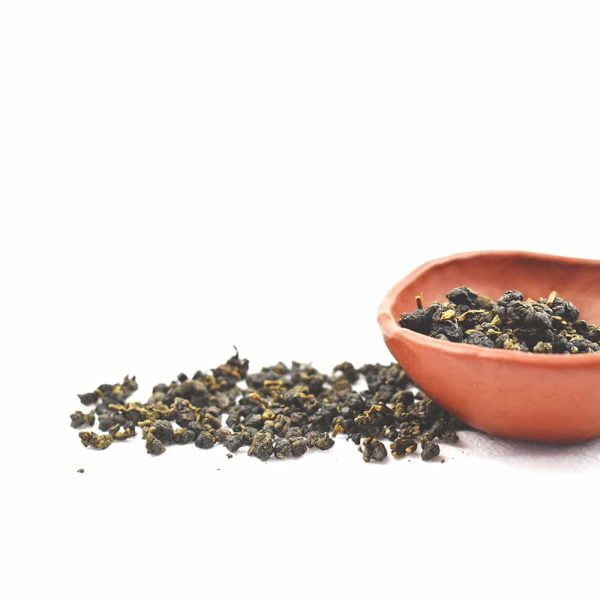
At Hey China, we offer several Alishan oolong teas, representing this region’s strong tradition of high-mountain cultivation. Alishan tea gardens sit above the cloud line, where natural shading and clean air support careful, labour-intensive harvesting throughout spring and winter seasons.
Alishan has become symbolic of Taiwan’s high-altitude oolong production and remains one of the island’s most respected origins.Dong Ding: A Traditional Centre of Oolong Craftsmanship
Dong Ding mountain in central Taiwan has long been associated with classic Taiwanese oolong craftsmanship. The region is historically known for precise oxidation and controlled roasting methods that were refined by local artisans.
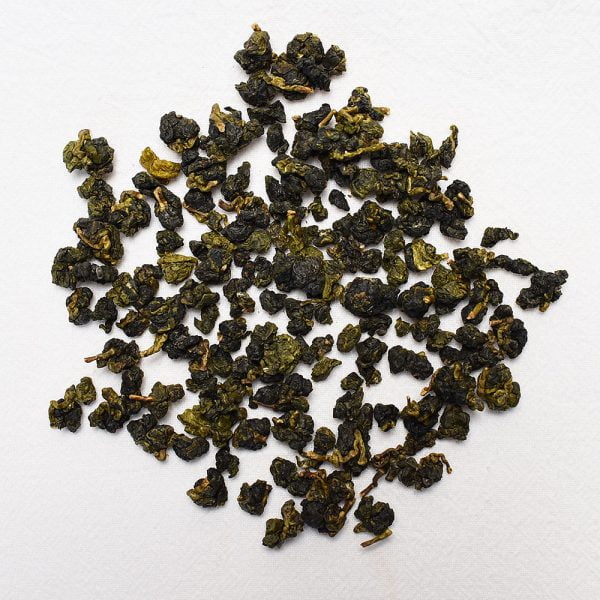
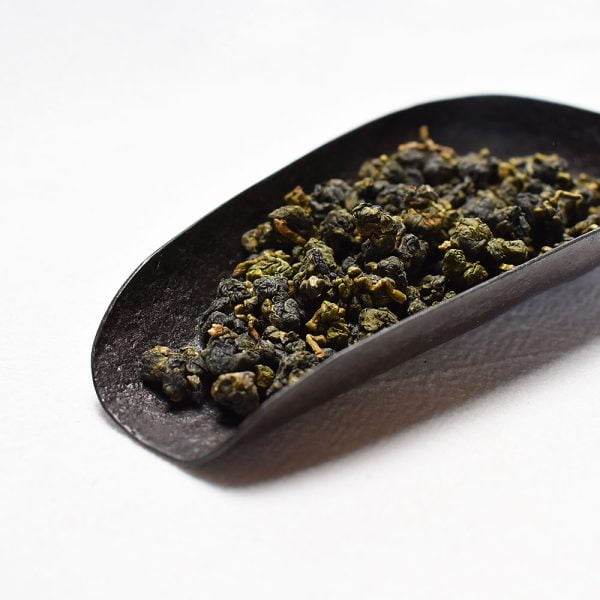
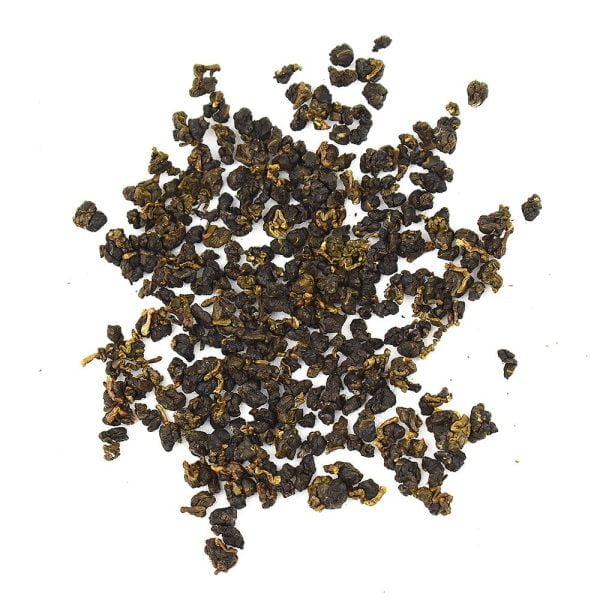
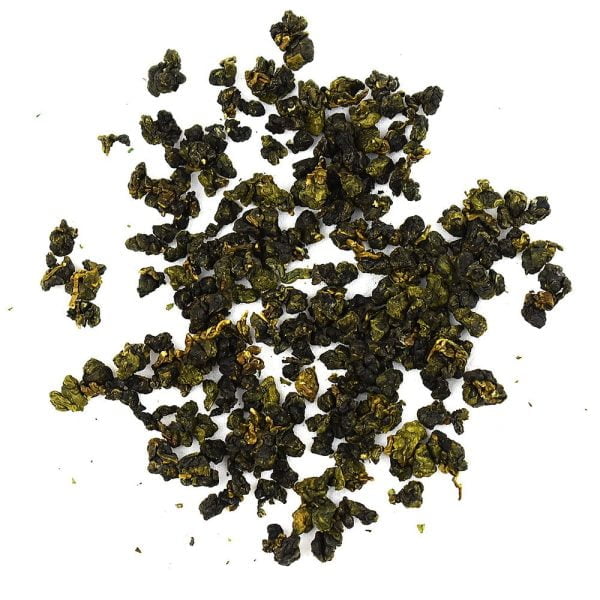
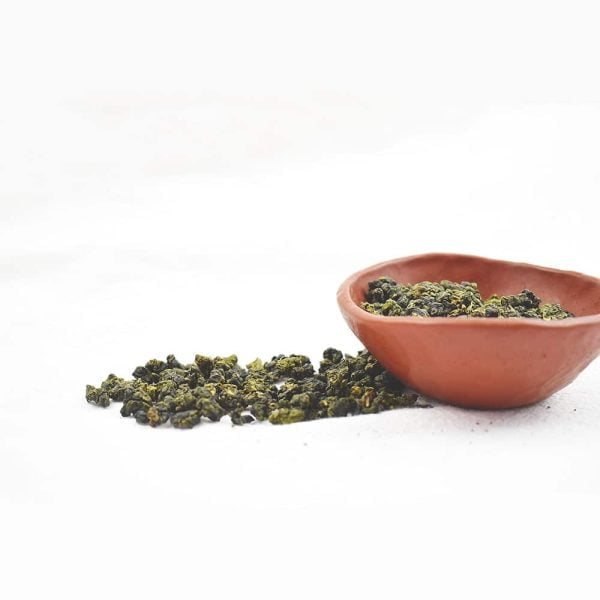
Your Taiwan Dong Ding Oolong Tea represents this area’s importance within Taiwan’s tea heritage. Dong Ding villages have preserved generations of processing knowledge, from leaf shaking to finishing techniques that give the region its identity.
This area remains a key symbol of Taiwan’s oolong-making traditions and is widely respected for its artisanal approach.Other Tea Traditions in Taiwan
Beyond Alishan and Dong Ding, Taiwan produces oolong teas from several other mountainous regions, including Lishan, Shanlinxi and Dayuling, as well as small volumes of black tea from Sun Moon Lake. While your collection focuses on iconic oolong regions, these additional areas highlight the island’s broader tea diversity.
Taiwan’s Signature Tea Styles
Taiwan is primarily known for:
- High-Mountain Oolong: grown in cloud-covered environments and shaped by careful processing
- Traditional Oolong Craftsmanship: centred around partial oxidation and skilled leaf handling
- Regional Village Cultures: where generations of farmers specialise in specific oolong styles
These elements make Taiwan one of the most respected oolong-producing regions in the world.